
HEALTHNDEVELOPMENT WEEKLY OF HEALTHNDEVELOPMENT MAGAZINE AND MEDIA
Discover the mission behind HEALTHNDEVELOPMENT WEEK and our commitment to fostering health and development through News , community based engaging ,community based experiences , services and or events.
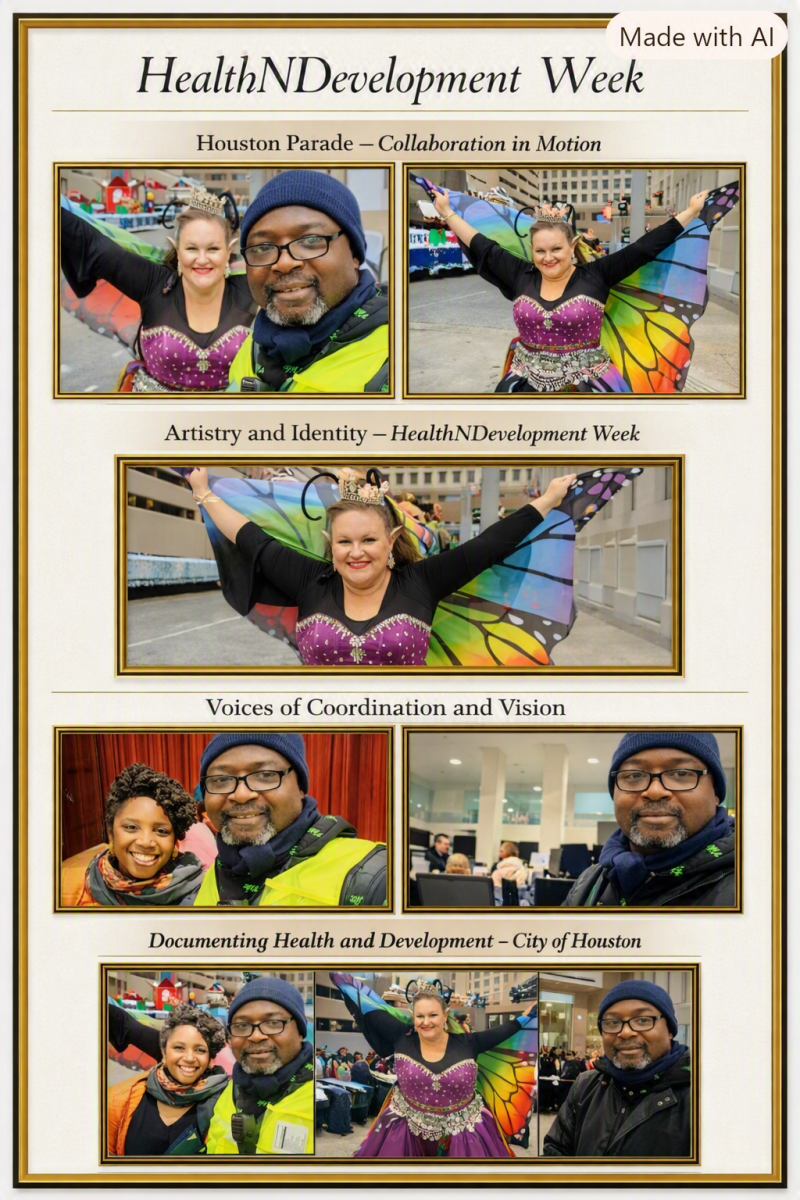
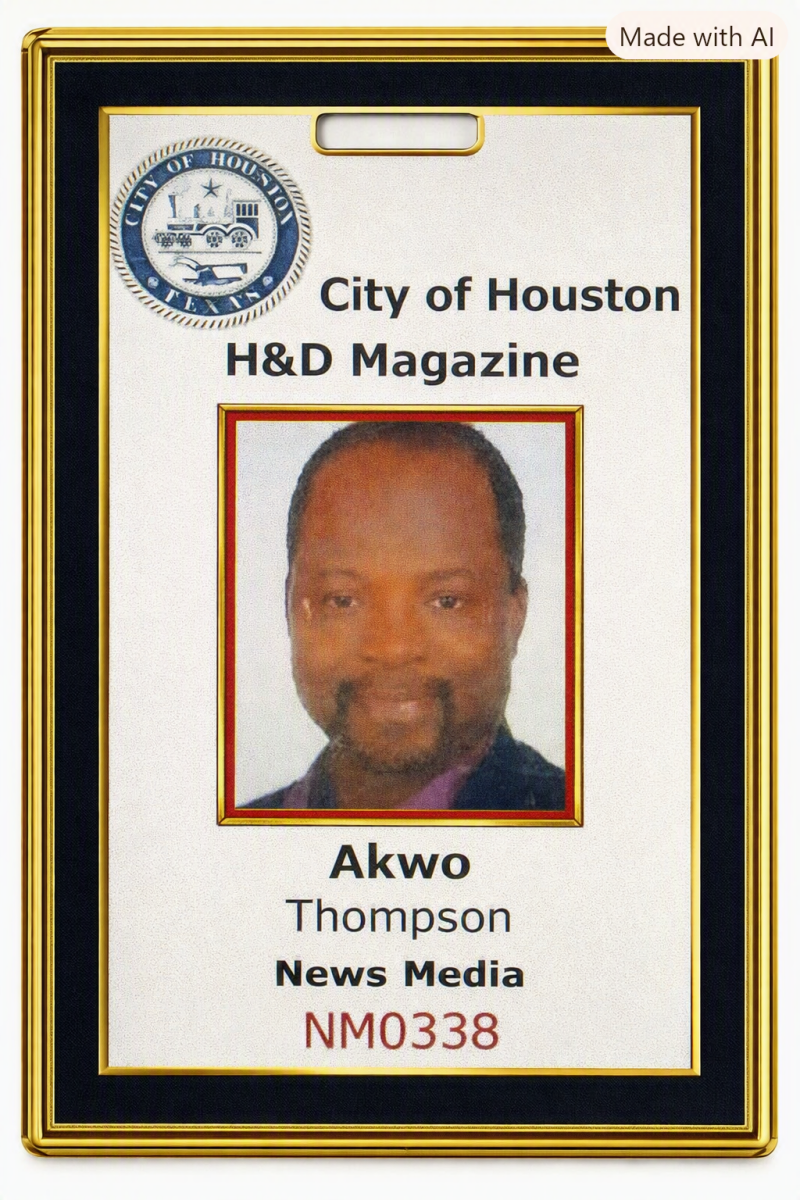
HealthNDevelopment Magazine and Media: From an Idea to an Organized Weekly Platform
HealthNDevelopment Magazine and Media has now entered an important phase in its development: the organization of its operations into the formats for which it was originally intended—weekly news, programming, documentation, education, editorial work, and the preservation of knowledge through books and archives.
This development gives greater structure and visibility to a media initiative that has grown out of Dr. Akwo Thompson Ntuba’s decades of work in global health, development, communication, community engagement, conferences, government, and international affairs. Rather than treating HealthNDevelopment as simply a magazine that periodically publishes stories, the emerging model presents it as a continuous health and development media platform.
The HealthNDevelopment Week website now reflects this broader architecture. Its sections include News, HND News, Midterms 2026, Faith/Religion, HealthNDevelopment Editorials, World Health Organization, UNGA 81, Conferences, Health Fest, Development Fest, Speakers, Books, and Partnerships.
From magazine to continuing media operation
The original concept of HealthNDevelopment was never limited to publishing articles. Its purpose was to communicate health and development knowledge, document activities, connect communities with institutions, and preserve experiences that could contribute to future learning.
The current organization therefore brings several functions together:
- News — reporting and dispatches on current health, development, civic, institutional, and community issues.
- Editorials — analysis and reflections emerging from the experience of HealthNDevelopment Media.
- Programming — conferences, workshops, summits, Health Fests, Development Fests, interviews, and community activities.
- Documentation — photography, video, interviews, field reports, and historical records.
- Global resources — dedicated attention to institutions such as the World Health Organization and the United Nations.
- Books and publications — preserving longer-term thinking and research beyond the weekly news cycle.
- Partnerships — connecting the media platform with organizations, institutions, professionals, communities, and events.
This makes the word “weekly” particularly important. HealthNDevelopment Week is not simply the name of an event that occurs once every year. The website describes it as an overarching framework for continuing health and development activities, including conferences, summits, festivals, workshops, and community programs throughout the year.
Books become part of the media archive
The Books section is especially important because it demonstrates how weekly media activity can be connected to a permanent body of knowledge.
The current website presents books by Dr. Akwo Thompson Ntuba including Health Is Human Rights, From Climate to Community, and Advising Mayors. The books address subjects ranging from healthcare access and health equity to climate, community development, municipal leadership, and urban health.
This creates a useful relationship:
News captures the present.
Programming creates engagement.
Documentation preserves experience.
Editorials interpret issues.
Books preserve deeper thinking.
Archives preserve history.
In this model, a conference does not disappear when the conference ends. A community visit does not disappear when the cameras leave. An interview does not have to remain only on a video platform. A major health or development issue can move from field experience → news → editorial → conference discussion → documentation → book → archive.
That is one of the distinguishing possibilities of HealthNDevelopment Magazine and Media.
A living archive of health and development
The organization of HealthNDevelopment also gives greater meaning to Dr. Ntuba's extensive historical documentation. Years of photographs, videos, interviews, certificates, conference participation, institutional relationships, publications, and field experiences can now be organized within a recognizable media structure.
The website describes HealthNDevelopment Week as a legacy platform and living archive connecting past achievements, present activities, and future programming.
This is significant because global health and development are not created only in laboratories, government offices, universities, or international headquarters. They are also experienced in neighborhoods, hospitals, churches, schools, city halls, conferences, businesses, community organizations, and ordinary communities.
A media organization that documents these different environments can create a record of how health and development actually occur in society.
Weekly programming creates continuity
The new organization also changes the meaning of the word “program.”
A HealthNDevelopment program can be a news dispatch, a field assignment, an interview, a documentary, a conference, a Health Fest, a Development Fest, a community health activity, an editorial discussion, a faith-and-health conversation, or coverage of an international institution.
The conference platform already describes hybrid conferences, workshops, and summits addressing areas such as health systems strengthening, addiction and recovery, health governance, health policy, health promotion, communication, and advocacy.
Consequently, the weekly model does not require every week to look the same.
One week may focus on a city. Another may focus on a hospital or health system. Another may examine climate and community health. Another may document a conference. Another may focus on the United Nations or WHO. Another may involve interviews with community residents. Another may produce an editorial or book chapter.
The common element is the continuing commitment to health, development, communication, education, and documentation.
The media platform and the field platform
This organization also clarifies the relationship between HealthNDevelopment Magazine and Media and HealthNDevelopment Week.
HealthNDevelopment Magazine and Media functions as a communication and documentation arm.
HealthNDevelopment Week provides the broader public-facing platform through which the work can be organized into recurring programs, conferences, festivals, community activities, and field assignments.
The result is not two unrelated ideas. They operate as parts of one ecosystem.
HealthNDevelopment Magazine and Media tells, documents, publishes and preserves the story.
HealthNDevelopment Week creates recurring opportunities for that story to be lived, examined, discussed and documented in communities.
Together, they create a cycle of experience, communication, education, documentation and preservation.
From weekly activity to institutional memory
Perhaps the greatest opportunity now is institutional memory.
Organizations often conduct conferences and community programs but lose much of their knowledge after the event. Speakers move on, photographs become scattered, interviews disappear, and important conversations are forgotten.
HealthNDevelopment's model attempts to do something different: turn activities into an archive.
The books provide one part of that archive. The news provides another. Videos, photographs, interviews, conference materials, editorials, field reports and future museum collections can provide additional layers.
The current Books page explicitly connects its publications with topics discussed through HealthNDevelopment conferences, Health Fest, and Development Fest, demonstrating this connection between literature and public programming.
A new phase for HealthNDevelopment
The organization of HealthNDevelopment's operations therefore represents more than a website redesign or the addition of new sections.
It represents the maturation of an idea.
What began as health and development communication can now be understood as a continuous media, education, programming and documentation system—one capable of operating weekly while preserving decades of accumulated experience.
The objective is not simply to produce more content.
It is to make each week an opportunity to observe, communicate, educate, engage, document and preserve something meaningful about health and development.
In that sense, HealthNDevelopment Magazine and Media is moving toward the format it was intended to become: a living global health and development media platform whose weekly activities generate news, programming, documentation and knowledge, while its books and archives preserve that knowledge for future generations.
And this gives special meaning to the larger HealthNDevelopment vision:
Every week can become a Health and Development Week.

The vision behind HEALTHNDEVELOPMENT WEEK
HEALTHNDEVELOPMENT WEEK serves as the overarching framework for events hosted by Health Consulting International, operating through its media channel, Healthndevelopment Magazine and Media. This initiative is more than just a single annual event; it represents a series of health and development conferences, summits, and festivals held in various chosen communities throughout the year. Our aim is to organize multiple health weeks annually, ranging from a few hours of activities to multi-day events, all under the comprehensive platform of HEALTHNDEVELOPMENT WEEK.

Exploring our unique events
Our conferences, Health Fest, and Development Fest are meticulously designed to cover critical areas: health and wellness, and development issues. Each event offers a deep dive into these topics, providing valuable insights and fostering collaboration among participants. We believe in creating platforms that address the most pressing challenges and opportunities in health and development today.

Who benefits from our events?
HEALTHNDEVELOPMENT WEEK events are tailored to benefit a wide audience. Health care workers will find opportunities for professional growth and networking, while individuals and the general population can gain essential knowledge and tools for improving their health and contributing to community development. Our goal is to empower everyone to lead healthier, more fulfilling lives.
"The insights and connections I gained at HEALTHNDEVELOPMENT WEEK were invaluable. A truly transformative experience for my career and personal growth."
[[Name]], Healthcare Professional

VISION
Healthndevelopment magazine and media in weekly programming .
The current organization therefore brings several functions together:
- News — reporting and dispatches on current health, development, civic, institutional, and Global community issues.
- Editorials — analysis and reflections emerging from the experience of HealthNDevelopment Media.
- Programming — conferences, workshops, summits, Health Fests, Development Fests, interviews, and community activities.
- Documentation — photography, video, interviews, field reports, and historical records.
- Global resources — dedicated attention to institutions such as the World Health Organization and the United Nations.
- Books and publications — preserving longer-term thinking and research beyond the weekly news cycle.
- Partnerships — connecting the media platform with organizations, institutions, professionals, communities, and events.
A Global Umbrella for 30 Years of Health and Development Work
HEALTHNDEVELOPMENT WEEK is not a new idea—it is the formal umbrella for more than three decades of continuous work carried out by Dr. Akwo Thompson Ntuba across Africa, Europe, and cities, counties, and states throughout the United States.
For over 30 years, we have organized our own conferences, workshops, summits, and festivals, and we have also partnered with institutions, organizations, and communities worldwide as speakers, contributors, and workers in their programs.
HEALTHNDEVELOPMENT WEEK now serves as the public-facing platform that unifies this long legacy. It allows us to:
- Showcase the extensive archive of past conferences, workshops, summits, and fests we have led or partnered in.
- Continue advancing global health and global development through weekly programming.
- Inspire individuals to view every week of their lives as a personal health and development week.
- Demonstrate that our work is ongoing, expanding, and deeply rooted in decades of global engagement.
Our vision is simple yet transformative: to make health and development a continuous, weekly practice for individuals, families, communities, and institutions across the world.
HEALTHNDEVELOPMENT WEEK becomes the banner under which past achievements, present activities, and future innovations are gathered, documented, and shared with the global public.
MISSION.
Turning Every Week Into a Health and Development Week
Our mission is to advance global health and global development by transforming the way individuals and communities engage with knowledge, wellness, and progress.
We aim to:
- Provide weekly programming—conferences, workshops, summits, fests, and community activities—under the unified banner of HEALTHNDEVELOPMENT WEEK.
- Make our 30-year archive public, offering resources from past events we organized or partnered in.
- Empower individuals to treat each week as an opportunity to improve their health, strengthen their development, and contribute to their community.
- Continue partnering with individuals, institutions, corporations, and organizations worldwide while expanding our own independent programming.
- Create continuity, ensuring that health and development are not annual events but ongoing practices woven into everyday life.
- Serve as a global platform where past work, present initiatives, and future projects converge to inspire learning, collaboration, and action.
Our mission is grounded in the belief that Global health and Global development advance when people engage consistently—not occasionally. HEALTHNDEVELOPMENT WEEK provides the structure, the resources, and the inspiration to make that possible.
THE ESSENCE OF THE INITIATIVE
A Legacy Platform. A Living Archive. A Weekly Movement.
HEALTHNDEVELOPMENT WEEK is:
- A legacy platform built on 30+ years of global work.
- A living archive of conferences, workshops, summits, and fests across continents.
- A weekly movement encouraging individuals to adopt health and development as part of their lifestyle.
- A global umbrella connecting past achievements with future programming.
- A continuation of decades of partnerships, leadership, and community engagement.
This is not a new beginning. It is the formal unveiling of a long-standing global mission—now organized, branded, and presented to the world with clarity and purpose.
How HealthNDevelopment Week Contributed to the Global Health Outreach Work of Dr. Akwo Thompson Ntuba
For more than three decades, the global health and development journey of Dr. Akwo Thompson Ntuba has been built around a central mission: bringing knowledge, communication, service, leadership, and community engagement together to improve human well-being. Through medicine, public health communication, consulting, advocacy, faith-based outreach, and documentation, Dr. Ntuba developed a model of global health engagement that goes beyond hospitals and institutions — reaching communities where people live, work, worship, learn, and organize.
Within this broader mission, HealthNDevelopment Week emerged as a powerful field-based platform connecting his global health outreach work with communities, cities, institutions, and leaders around the world.
From Global Health Outreach to Community-Based Engagement
The foundation of HealthNDevelopment Week came from Dr. Ntuba’s years of experience working across continents in health, development, and humanitarian initiatives. His work involved engaging with health professionals, governments, community organizations, universities, faith leaders, businesses, and citizens to understand the relationship between health and the conditions that shape human development.
HealthNDevelopment Week transformed these experiences into a structured community engagement model. Rather than limiting global health discussions to conference halls, the platform brought health and development conversations directly into communities.
During HealthNDevelopment Week activities, Dr. Ntuba and his team engage with:
- Community leaders and organizers
- Health institutions and medical professionals
- Universities and colleges
- Businesses and development partners
- Government officials and policymakers
- Faith communities
- Minority and underserved populations
- Residents and citizens sharing their lived experiences
This approach reflects the belief that health advancement is not only created by policies and institutions, but also by listening to communities and empowering individuals.
A Living Archive of Global Health Advancement
One of the unique contributions of HealthNDevelopment Week has been its role as a living archive of health and development progress. Through photography, video documentation, interviews, publications, and digital storytelling, Dr. Ntuba has preserved thousands of moments showing how communities, organizations, and leaders are addressing global challenges.
The platform builds upon the extensive documentation work of HealthNDevelopment Magazine & Media, which has recorded conferences, public health initiatives, government programs, humanitarian activities, and global development conversations.
The result is more than event coverage. It is a historical record of:
- Innovations in health care
- Community empowerment efforts
- Climate and environmental health initiatives
- Social justice conversations
- Faith and health partnerships
- Leadership responses to public challenges
These archives support future generations by showing how societies have responded to the health challenges of their time.
Connecting Health, Development, and Humanity
HealthNDevelopment Week expanded Dr. Ntuba’s global health outreach philosophy by demonstrating that health cannot be separated from development. Issues such as poverty, education, housing, environment, climate change, economic opportunity, and social inclusion all influence the health of communities.
Through field experiences, the platform highlights the interconnected nature of human progress:
Healthy communities create stronger societies.
Strong societies create opportunities for development.
Sustainable development improves human health.
This philosophy connects with Dr. Ntuba’s broader work in climate, energy, environmental health, and sustainable development, including his ongoing efforts to document the relationship between carbon, energy, health, and humanity.
Bringing Global Lessons to Local Communities
A defining feature of HealthNDevelopment Week is its ability to bring global perspectives into local settings. A city, region, or community becomes a classroom where lessons are exchanged between leaders, experts, and residents.
For example, when HealthNDevelopment Week visits a city, the goal is not simply to attend events. The purpose is to understand the community’s strengths, identify challenges, highlight solutions, and connect local experiences with global conversations.
This field-based approach allows Dr. Ntuba to document:
- How communities address health inequalities
- How leaders respond to social challenges
- How institutions create partnerships
- How citizens participate in shaping healthier futures
Strengthening the Mission of Global Health Outreach
HealthNDevelopment Week became an extension of Dr. Ntuba’s larger vision for global health outreach: a combination of technical expertise, communication, compassion, and service.
Through Health Consulting International, HealthNDevelopment Magazine & Media, outreach ministries, and community partnerships, the platform represents a complete ecosystem:
Consulting provides knowledge and technical support.
Media preserves and shares lessons.
Outreach brings service to people.
HealthNDevelopment Week connects all these efforts through community engagement.
The platform demonstrates that global health is not only about treating disease; it is about building relationships, strengthening communities, and creating pathways for human development.
A Continuing Legacy of Service
As HealthNDevelopment Week continues to expand across cities and countries, it represents a new chapter in Dr. Akwo Thompson Ntuba’s lifelong commitment to global health and development.
Its greatest contribution is not only the conferences, festivals, interviews, or documented events. Its greatest contribution is the creation of a movement that brings people together — leaders and citizens, experts and communities, institutions and individuals — around a shared vision of healthier and more sustainable societies.
HealthNDevelopment Week stands as a bridge between Dr. Ntuba’s past decades of global health outreach and the future generations who will continue the work of advancing health, development, and humanity.
FIELD EDITION.
HealthNDevelopment Week: A Community-Based Platform for Global Health, Development, Documentation, and Empowerment
HealthNDevelopment Week is built on a simple but powerful philosophy: health and development must be experienced where people live, work, learn, worship, and build their communities. It is not only a conference, a festival, or a series of presentations. It is a field-based community engagement platform that brings global health and development conversations directly into cities, neighborhoods, institutions, and communities.
The foundation of HealthNDevelopment Week is the belief that every community has stories of progress, innovation, challenges, resilience, and opportunity. By entering communities for an intensive period of engagement, HealthNDevelopment Week creates a space where leaders, organizations, citizens, professionals, businesses, universities, healthcare institutions, faith communities, and grassroots groups can come together to examine the realities of health and development.
During each HealthNDevelopment Week, the team comes into a city or region and works alongside local organizers, elected officials, community leaders, healthcare professionals, educators, entrepreneurs, advocates, and residents. The objective is not simply to observe a community from outside, but to listen, participate, document, and amplify the voices of the people who are creating change every day.
The week becomes a living laboratory of community experiences.
From Neighborhoods to Institutions: Bringing Health and Development Into the Field
HealthNDevelopment Week reaches beyond traditional conference halls. Its activities extend into districts, neighborhoods, hospitals, universities, colleges, businesses, government institutions, community centers, cultural spaces, and public events.
The platform explores questions that directly affect people's lives:
- How are communities addressing healthcare access?
- What innovations are improving quality of life?
- How are minority and underserved communities responding to social and economic challenges?
- What partnerships are creating healthier cities?
- Where are the gaps preventing communities from reaching their full potential?
Through field visits, interviews, photographs, videos, publications, and documentaries, HealthNDevelopment Magazine and Media documents these experiences as part of a growing global archive of health and development advancement.
The goal is to preserve history while encouraging action.
Every community has individuals and organizations doing important work that may never receive global recognition. HealthNDevelopment Week provides a platform to bring those stories forward.
Empowering Minority and Underserved Communities
At the heart of HealthNDevelopment Week is a commitment to communities that have historically experienced inequalities in health, economic opportunity, education, and access to resources.
Minority communities often possess tremendous strengths: cultural knowledge, community networks, faith-based support systems, entrepreneurial creativity, and local leadership. However, they may also face persistent challenges, including healthcare disparities, environmental risks, educational barriers, and limited access to development opportunities.
HealthNDevelopment Week seeks to bridge the gap between communities and institutions by creating conversations among residents, policymakers, healthcare professionals, researchers, businesses, and organizations.
The purpose is empowerment:
- Empowering residents with knowledge.
- Empowering leaders with community perspectives.
- Empowering organizations through collaboration.
- Empowering future generations through education and documentation.
Health is not only about hospitals and medicine. Health is connected to housing, environment, education, employment, transportation, technology, culture, spirituality, and social justice. Development is not only about economic growth. Development is about improving human dignity and creating opportunities for people to thrive.
A Global Health Communication Mission
HealthNDevelopment Week continues the broader mission of HealthNDevelopment Magazine and Media and Health Consulting International: using communication as a tool for global health advancement.
For decades, Dr. Akwo Thompson Ntuba has emphasized that communication is one of the most important instruments in transforming communities. A health innovation that remains unknown cannot benefit the people who need it. A successful community program that is undocumented can disappear without leaving lessons for others.
Through journalism, interviews, documentaries, conferences, and digital media, HealthNDevelopment Week captures:
- Community health initiatives.
- Public health campaigns.
- Medical outreach programs.
- Environmental and climate solutions.
- Education and youth programs.
- Women's empowerment activities.
- Faith-based service initiatives.
- Business and economic development efforts.
- Government and civic partnerships.
The documentation becomes part of a historical archive showing how communities around the world are advancing health and development.
The City as a Classroom and the Community as a Teacher
One of the unique principles of HealthNDevelopment Week is that the city itself becomes a classroom.
A city teaches through its hospitals, schools, neighborhoods, businesses, cultural institutions, and people. The experiences gathered during the week provide a deeper understanding of how development happens in real life.
The platform recognizes that elected officials, community advocates, healthcare workers, entrepreneurs, students, and residents all contribute to building healthier societies.
The voices of citizens are equally important as the voices of experts.
A resident describing the challenges of accessing healthcare, a nurse serving vulnerable populations, a student creating new solutions, a business supporting community development, or a mayor planning healthier cities all become part of the global health and development conversation.
Creating a Legacy Through Documentation
HealthNDevelopment Week represents the intersection of experience, service, communication, and history.
Conferences preserve conversations.
Consulting preserves institutional contributions.
Media preserves documentation.
Museums and archives preserve history.
Through HealthNDevelopment Week, communities are not only visited; they are recorded, recognized, and connected to a larger global movement.
The photographs, videos, interviews, publications, and stories collected during these field-based experiences become part of the HealthNDevelopment Global Heritage Museum and digital archive — preserving decades of work, partnerships, and community advancement.
The Future of HealthNDevelopment Week
As HealthNDevelopment Week expands to cities across the United States and internationally, its mission remains consistent:
To enter communities, listen to people, document progress, identify challenges, promote solutions, and empower communities to become active partners in global health and development through communication .
It is a platform where science meets society, where leadership meets service, where communication meets action, and where communities become the authors of their own development stories.
HealthNDevelopment Week is therefore more than a week on the calendar.
It is a continuing global movement — bringing health and development from conference rooms into communities, from discussions into action, and from local experiences into global lessons for humanity through communication .
The Digital Preservation of Global Health History: Dr. Akwo Thompson Ntuba’s COBES Model and the Launch of the HealthNDevelopment Global Heritage Museum
By Dr. Akwo Thompson Ntuba
Strategic Monograph: Deployed during HealthNDevelopment Week Oklahoma, October 2026
1. Introduction and Core Philosophy
For several decades, the evolution of public health and international aid has been limited by a core structural challenge: the fragmentation of field data and the loss of grassroots institutional memory. Sustainable interventions cannot rely on top-down directives from distant administrative capitals. Instead, they must be built on what is known as the Community-Based Education and Service (COBES) framework.
Over many years, my team and I have operationalized the COBES model by launching HealthNDevelopment (HND) Week initiatives across numerous United States cities, counties, and states. To ensure these multi-regional campaigns serve a greater global purpose, we are digitizing our entire archive of resources via www.healthndevelopmentweek.com. This digital platform is designed for universal public access. Simultaneously, these historical field materials, strategic reports, and clinical outcomes are being curated into the HealthNDevelopment Global Heritage Museum to establish a permanent record of community-led development.
2. The COBES Framework: Connecting Local Action to Global Strategy
The foundational architecture of our traveling multi-state campaigns relies on the COBES methodology. Unlike traditional health expositions that prioritize passive content consumption, COBES-driven campaigns function as active, community-anchored public health interventions. This operational model coordinates four core sectors to ensure sustainable, long-term impact:
Stakeholder ElementLocal COBES Field ImplementationGlobal Strategic ApplicationArchive Curation ProtocolLocal Government & MunicipalitiesCoordination with county health departments to identify specific regional resource shortages.Mapping structural vulnerabilities in high-income nations to refine rural healthcare access frameworks.Digital logging of local policy adjustments and municipal health proclamations.Collegiate & University HubsIntegrating medical, nursing, and public health students into community-based field work.Incubating a cross-border volunteer pipeline trained in advanced cultural literacy.Preservation of student field notes, curriculum designs, and peer-reviewed case studies.Faith Cells & Community ForumsUtilizing trusted neighborhood institutions (such as First Baptist Norman) as triage points.Applying the Indigenous Trust Translation Index (ITTI) to accelerate public health adoption.Documentation of interfaith community training guides and trust-building frameworks.Transnational OrganizationsAligning local field outcomes with the targets of the World Health Organization (WHO) and UN SDGs.Delivering empirical, ground-level data to inform global health diplomacy and policy.Curation of strategic monographs, policy recommendations, and international white papers.
3. The Digital Open-Access Hub: www.healthndevelopmentweek.com
The launch of the centralized digital open-access hub at www.healthndevelopmentweek.com addresses a critical gap in international public health infrastructure:
- Universal Knowledge Democratic Sharing: Local health departments, international researchers, and grassroots organizers can access field-tested toolkits, epidemiology metrics, and community engagement models without paywall restrictions.
- Archival Categorization: The repository is systematically indexed into dedicated operational modules, including Midterms 2026 policy responses, Faith/Religion community alignment parameters, and formal COBES Reports.
- Operational Templates: The site hosts scalable blueprints for organizing local health fests, development fests, and cross-border intervention networks, allowing practitioners worldwide to duplicate successful models.
4. The HealthNDevelopment Global Heritage Museum
Beyond maintaining an active digital repository, the institutional preservation of public health history requires a dedicated archival space. The HealthNDevelopment Global Heritage Museum serves as a permanent repository for artifacts, historical records, and case studies documenting the evolution of grassroots health diplomacy.
Permanent Curatorial Galleries & Content Themes
- The Artifacts of Field Logistics: Displays of early mobile triage components, low-cost bio-sand filtration designs, and historical campaign materials used across various U.S. counties and developing nations.
- The Oral History and Interview Archive: A dedicated multimedia collection featuring first-hand accounts from community leaders, clinical volunteers, and regional stakeholders who participated in HND Week campaigns over the past few decades.
- The Transnational Policy Library: Preserving original draft agreements, memorandums of understanding (MOUs) between academic hubs and local faith organizations, and strategic advisories developed for bodies like the United Nations.
5. Conclusion: Preserving the Blueprint for Future Generations
The unification of the COBES field methodology, the digital open-access platform, and the HealthNDevelopment Global Heritage Museum establishes a permanent operational cycle. By collecting decades of local campaign data and making it globally accessible, this framework ensures that the lessons of grassroots health diplomacy are preserved. It provides future public health leaders, academic researchers, and international policy makers with a tested blueprint for creating strong, resilient health systems and driving sustainable development across the globe.
To further advance this digital archival project, would you like me to draft a digital preservation policy for the website's database, design a curatorial outline for the museum's inaugural COBES exhibit, or draft a press release announcing the global launch of the online portal?
Create Your Own Website With Webador