




Dr. Ntuba Akwo Thompson’s field visit to the OU Health Sciences Center in Oklahoma City (OKC) serves as the programmatic and macro-level climax of HealthNDevelopment Week Oklahoma 2026. While his research in Norman focused on county-level execution and grassroots safety nets, transitioning to Oklahoma's flagship academic health network allows him to analyze how centralized clinical infrastructure scales to meet systemic state public health challenges.
His visit directly impacts the HealthNDevelopment campaign across four major vectors:
1. Evaluating the Billion-Dollar Behavioral Health Expansion
The centerpiece of Dr. Ntuba's Oklahoma City investigation is the massive, ongoing health infrastructure expansion anchored at the OU Health University of Oklahoma Medical Center. With over one billion dollars in medical development actively reshaping the 200-acre campus, Dr. Ntuba is auditing how macro-investments address systemic care deficits. [1, 2]
Specifically, his visit targets the highly anticipated Oklahoma Children's Hospital OU Health Behavioral Health Center, a six-story, 172,775-square-foot facility scheduled to open its doors in December 2026. By reviewing this site, Dr. Ntuba’s report will document Oklahoma's first comprehensive pediatric mental health facility connected to a freestanding children’s hospital, establishing a baseline for how academic medicine intercepts adolescent psychiatric crises before they escalate into adult chronic addiction. [1]
2. Assessing the Regional Pediatric Care Pipeline
Expanding beyond the central campus, Dr. Ntuba’s field map tracks how centralized university medicine pushes outpatient specialty care directly into the community. His visit coincides with the operational launch of the new Oklahoma Children's OU Health Northwest Clinic, opening on October 22, 2026. [1]
By analyzing the deployment of specialized teams in pediatric neurology and endocrinology at this new site, Dr. Ntuba evaluates the physical pipeline connecting suburban and regional families to the flagship academic center. This structural review addresses a core thesis of his Advising Mayors framework: that municipal wellness improves when advanced tertiary care is decentralized into neighborhood-level clinics. [1]
3. Bridging Localized Addiction Data with Academic Research
In Norman, Dr. Ntuba compiled field metrics on adult crisis stabilization at the Red Rock campus and documented the neighborhood-level impacts of the state's expired needle exchange laws. Elevating this data to the OU Hudson College of Public Health allows him to synthesize these localized findings within an academic research setting. [1]
As the state's only accredited college of public health, the institution provides the ideal data-sharing interface. Dr. Ntuba’s field notes on the closure of Norman's low-barrier A Better Way program will be cross-referenced with university epidemiology metrics, demonstrating how municipal funding blockades ripple upward to impact statewide numbers on HIV transmission, overdose spikes, and ER surge capacity. [1]
4. Analyzing the Academic-to-Clinical Workforce Pipeline
Finally, the visit provides an ongoing assessment of the next-generation public health workforce. By touring the integrated facilities of the University Of Oklahoma College of Medicine and the College of Allied Health, Dr. Ntuba observes how professional training modules prepare clinicians for public health integration. [1, 2]
His report will specifically focus on the systemic challenges facing Oklahoma's academic medicine—ranging from severe rural healthcare staffing shortages to the geopolitical and legislative pressures that influence specialized clinical care.
Ultimately, Dr. Ntuba’s movement from Norman to Oklahoma City completes a comprehensive vertical analysis of Oklahoma's healthcare delivery system, proving that local community survival strategies and multi-million-dollar academic expansions are deeply interdependent components of a singular public health continuum.
Dr. Ntuba Akwo Thompson is currently in Oklahoma for HealthNDevelopment Week 2026, marking a significant intersection of global health advocacy, municipal field research, and grassroots civic engagement. As a trained physician, global health communication specialist, and minister, Dr. Ntuba brings a multi-faceted methodology to analyzing localized health ecosystems. His presence in Oklahoma—specifically coordinating with campus gameday tailgating dynamics at the University of Oklahoma in Norman and exploring municipal frameworks in Oklahoma City—serves as a vital case study in how active field observation documents public health challenges in real time.
Bridging Global Infrastructure and Local Realities
Dr. Ntuba’s field work during HealthNDevelopment Week bridges high-level global health communication with specific municipal realities. By embedding himself within high-density civic events—such as the massive campus gatherings surrounding the Saturday, October 17 football game in Norman—Dr. Ntuba analyzes how temporary municipal expansions impact public safety, behavioral health, and emergency health delivery. His methodology mirrors the structured observation found in his published literature, such as Advising Mayors and From Climate to Community, which argue that urban wellness is heavily contingent upon adaptive civic leadership and neighborhood-level infrastructure.
The Field Archive and Public Comment Methodology
A central element of Dr. Ntuba's Oklahoma campaign is the deployment of localized field surveys and mobile data tracking tools. Drawing inspiration from the traditional three-minute public comment formats used in U.S. city halls, Dr. Ntuba uses concise, structured public feedback loops to document minority health disparities, addiction recovery pipelines, and the broader social determinants of health. By collecting anonymous demographic data, including zip codes and tribal affiliations, his research builds an active archive during HealthNDevelopment Week. This empirical framework directly measures how municipal health models interact with overarching state policies, highlighting structural divides between urban centers and surrounding rural or tribal jurisdictions.
Institutional Analysis and Policy Evaluation
Beyond immediate data collection, Dr. Ntuba’s presence coincides with critical political transitions, allowing him to observe how public health policies are debated by outgoing and incoming civic leaders. His research specifically evaluates the efficacy of healthcare infrastructure, the distribution of federal grants (such as SAMHSA behavioral health funds), and the functional integration of regional departments like the Cleveland County Department of Health. Through this comprehensive assessment, his field report seeks to establish a permanent academic record within the HEALTHNDEVELOPMENT WEEK Archive. Ultimately, Dr. Ntuba’s work in Oklahoma underscores a core tenet of his global philosophy: that health is a fundamental human right, and capturing localized, real-world data is the first step toward macro-level systemic reform.
FIELD REPORT: Municipal Behavioral Health and Continuum of Care Systems
Investigator: Dr. Ntuba Akwo Thompson
Location: Norman, Cleveland County, Oklahoma
Campaign: HealthNDevelopment Week 2026
Executive Summary
This field report documents the public health architecture of Norman, Oklahoma, following site inspections at core state, county, and municipal intersections. Using a Community-Based Experiences (COBES) methodology, this assessment maps how federal safety nets—specifically funded via the Substance Abuse and Mental Health Services Administration (SAMHSA)—translate into localized interventions. By evaluating pediatric psychiatric care, adult crisis stabilization, and grassroots homelessness services, this report illuminates how the structural continuum of care operates within Cleveland County.
1. Public Health Integration: Cleveland County Health Department
The foundational baseline of local healthcare infrastructure is anchored at the Cleveland County Health Department, located at 250 12th Ave NE. Serving as a clinical and administrative axis, this facility manages population-wide disease intervention, family health programming, and crisis data infrastructure.
Dr. Ntuba’s evaluation highlighted the department’s role as an entry-point mechanism for vulnerable demographics, routing high-risk individuals toward localized behavioral health networks. The facility's geographic proximity to the 12th Street NE healthcare corridor creates a functional pipeline for immediate physical-to-behavioral care escalation.
2. Pediatric Psychiatric Infrastructure: Children's Recovery Center
Situated immediately adjacent to the local health authority, the Children's Recovery Center (CRC) of Oklahoma at 320 12th Ave NE represents a critical node in youth behavioral safety. As a state-operated, trauma-informed facility containing 55 inpatient beds, CRC is the only state-run inpatient psychiatric and crisis center for minors (ages 12 to 17) under the Oklahoma Department of Mental Health and Substance Abuse Services (ODMHSAS).
Dr. Ntuba examined CRC's dual wings:
- Crisis Stabilization Unit: Providing 24-hour walk-in triaging and short-term intervention for acute psychological emergencies.
- Psychiatric Residential Treatment Program (PRTF): Offering intensive, multidisciplinary rehabilitation for children experiencing severe emotional disturbances and substance use disorders.
The center serves as an academic teaching site, drawing clinical rotations from higher education. However, structural gaps persist; field data confirmed that CRC is restricted by medical necessity criteria and does not currently administer specialized treatment protocols for adolescent opioid use disorders.3. Adult Stabilization and SAMHSA Compliance: Red Rock Campus
To evaluate adult addiction pipelines, Dr. Ntuba inspected the Red Rock Urgent Recovery Center and Crisis Unit located nearby at 900 E Main St (Bldg 52). Operating 24/7 as a 55-bed community-based crisis asset, this facility provides the localized enforcement of federal behavioral health mandates.
Red Rock’s adult recovery campus works in close coordination with SAMHSA parameters to deliver acute stabilization and medically supervised detoxification. Dr. Ntuba's analysis targeted the institutional transition metrics: how adults entering with severe chemical dependencies are managed through immediate clinical withdrawal and successfully connected to long-term outpatient case management, group counseling, and housing assistance.
4. The Grassroots Safety Net: Food, Shelter, and Addiction Recovery
The final stage of the field inspection targeted the neighborhood's immediate proximity services, which absorb individuals experiencing chronic homelessness, alcoholism, and untreated substance use disorders. In Norman, this tier is driven heavily by independent non-profit programs like Food and Shelter, alongside the Salvation Army Emergency Shelter.
Dr. Ntuba analyzed how these programs function as low-barrier recovery tools:
- Day Shelter & Substantive Care: Providing immediate baseline survival needs (showers, laundry, daily breakfast, and lunch) to stabilize unhoused individuals in active addiction.
- The Share Center Resource Access: Utilizing free grocery store frameworks to alleviate food insecurity and mitigate the financial shocks that accelerate housing loss.
- Transitional Housing & Case Management: Evaluating the 32-cottage supportive housing model, which substitutes monetary rent for an active behavioral commitment to recovery and stabilization.
Conclusion and Systemic Interactivity
Dr. Ntuba’s field map demonstrates that Norman features a highly specialized, localized cluster of care. However, the efficacy of the system relies on the fluid exchange of data and warm handoffs between state-level adolescent psychiatric units (CRC), federal-local adult crisis networks (Red Rock), and grassroots housing shelters. Without seamless inter-agency navigation, vulnerable populations risk falling through the structural gaps separating clinical stabilization from community reintegration.
The actions of outgoing Oklahoma Governor Kevin Stitt on addiction, harm reduction, and HIV policies present a mixed legislative and fiscal landscape. While his administration enacted structural reforms and legalized critical harm reduction infrastructure, his tenure also saw significant funding shifts, direct vetoes of education modernization, and institutional friction that directly impacted local programs in Norman.
Structural Expansions and Harm Reduction Legislation
Governor Stitt signed pivotal legislation that significantly expanded the operational framework for addiction recovery and disease prevention statewide: [1, 2]
- Legalization of Needle Exchange Programs: In 2021, Governor Stitt signed Senate Bill 511, which legalized privately funded syringe service programs (SSPs) throughout Oklahoma for a five-year period. This major policy shift allowed nonprofit organizations, tribal governments, and local entities to distribute sterile needles and first-aid kits. The initiative aimed directly at curbing blood-borne infections like HIV and Hepatitis C, for which Oklahoma has historically faced some of the highest prevalence rates in the United States. [1, 2]
- The Opioid Abatement Grants Act: Under Stitt's governance, the state structured the Oklahoma Opioid Abatement Board to distribute millions in national opioid settlement funds. This mechanism directed localized resources to municipal bodies, including the City of Norman, Cleveland County, and Norman Public Schools, to fund evidence-based addiction treatment, prescription management, and prevention strategies. [1]
Vetoes and Policy Friction on HIV Education
While Governor Stitt legalized the mechanics of syringe exchanges, his administration resisted modernizing public education surrounding HIV and sexually transmitted infections:
- Veto of Modernized HIV Education: In 2019, the Oklahoma Legislature passed a bill aiming to update and modernize outdated statutory curriculum standards for HIV and AIDS education. Governor Stitt vetoed the bill, and subsequent legislative sessions during his tenure saw active efforts to scale back or completely eliminate general sexual health standards rather than advance them. Local advocates point to this veto as a major barrier to combating the misinformation that fuels HIV exposure risks tied to intravenous drug use. [1]
Impact on Norman's Localized Support Infrastructure
The practical application of these state-level policies led to acute funding challenges for community-level programs in Norman by the latter half of 2026:
- The Closure of "A Better Way Norman": Norman utilized its initial allocation of opioid settlement funds to pilot a supportive employment and low-barrier recovery initiative called A Better Way – Opportunity Knocks (ABWOK). Operated in partnership with the Mental Health Association Oklahoma, the program provided unhoused individuals and active addicts with instant income, meals, housing coordination, and immediate connections to substance abuse counseling. [1, 2, 3]
- State Funding Denial: When local settlement funds ran thin, the City of Norman and its operating partners sought a renewal via an Opioid Abatement Grant from the state. However, the state-administered grant application was denied in 2026. Deprived of state-directed settlement backing, the program was forced to completely shut down at the end of August 2026, creating an immediate gap in Norman's frontline street outreach and low-barrier recovery network. [1, 2, 3]
Gubernatorial Metrics & the Fate of the 2021 Harm Reduction Law
The public health landscape in Oklahoma faces an institutional transition following the July 1, 2026, sunset of the 2021 Syringe Service Program (SSP) legalization. For five years, the law protected harm-reduction organizations from criminal prosecution for distributing sterile needles to combat HIV and Hepatitis C. Because the law expired under outgoing Governor Kevin Stitt, these organizations have been thrust into a legal gray area. The policy positions of the major candidates in the November 3, 2026, gubernatorial election determine whether this framework will be permanently revived. [1, 2]
Norman City Council’s Alternative Opioid Settlement Strategy
Following the expiration of the A Better Way – Opportunity Knocks (ABWOK) street outreach pilot in August 2026, the Norman City Council adjusted its localized deployment of opioid abatement funds. This strategy adapts to tightening federal oversight and the denial of state-level grant renewals. [1, 2]
The council shifted away from the operational framework of ABWOK to concentrate on an alternative continuum-of-care structure: [1]
- Dedicated Municipal Staffing: Rather than subsidizing external non-profit operational contracts, the City Council chose to explicitly fund two dedicated city staff members focused directly on homelessness issues and localized street outreach. [1]
- Clinical Overdose Catchment: The council began evaluating plans to allocate settlement tranches to specialized public health facilities, such as sobering centers staffed by healthcare professionals. These centers function to identify and intercept active overdoses that are frequently missed in low-barrier shelters. [1]
- Regulatory Realignment: Due to strict state boundaries enforced by the Oklahoma Attorney General's Office, city staff are directly coordinating with state regulators to secure technical guidance. This regulatory alignment ensures that future local applications fit exactly within approved medical and educational spending provisions. [1, 2, 3]
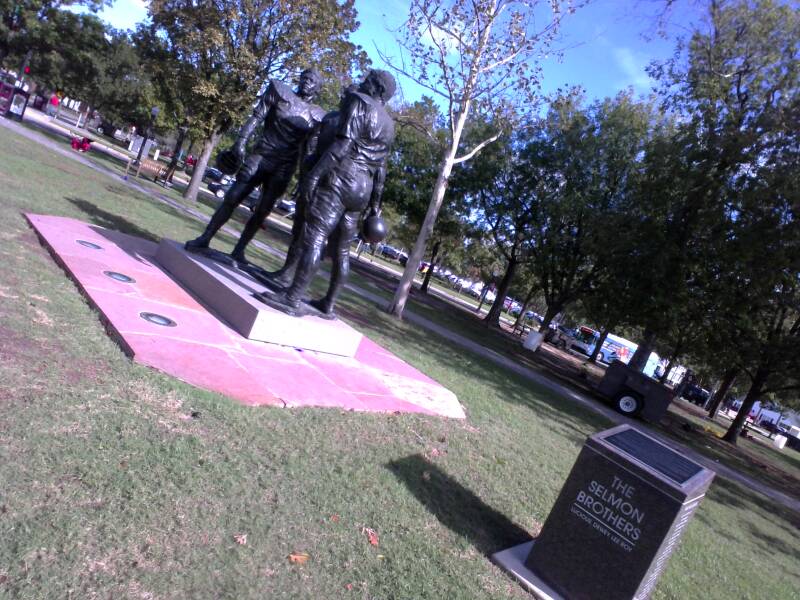
This structure synthesizes Dr. Ntuba Akwo Thompson’s field research during HealthNDevelopment (HND) Week 2026. It bridges municipal infrastructure in Oklahoma City and Norman with tribal health sovereignty and SAMHSA-supported behavioral health models.
The Structural Intersection of Tribal Sovereignty and Municipal Health Governance in Oklahoma
I. Introduction & Theoretical Framework
- A. Research Problem & Context
-
- Overview of Oklahoma's rural-urban health disparities and minority health landscapes.
-
- Introduction to the HealthNDevelopment Week 2026 field archive as a methodological baseline.
-
- B. Core Thesis
-
- Tribal-led health clinics structurally outperform standard municipal models by integrating tribal health sovereignty with targeted federal funding streams.
-
- C. Institutional & Historical Background
-
- The legacy of healing ministries, Native American Indian spiritual health, and historical minority health disparities in the region.
-
- Comparative tension: The rigidity of city governance vs. the flexible autonomy of tribal health frameworks.
-
II. Municipal Architecture and Public Witness: Oklahoma City
- A. Civic Infrastructure and Public Comment
-
- Methodological analysis of public comment sessions at the Oklahoma City Municipal Building.
-
- The architectural and civic history of municipal chambers as spaces for democratic friction and policy execution.
-
- B. Minority Health Paradigms
-
- Dr. Ntuba’s assessment of urban Indigenous health initiatives within broader municipal minority health policies.
-
- Performance metrics of municipal frameworks in addressing dense urban health crises.
-
III. Community-Based Behavioral Health & Federal Synergy: Norman
- A. Mapping the 12th Avenue NE Behavioral Health Corridor
-
- Field analysis of the Cleveland County Health Department and the Chil Children Recovery Center.
-
- The Red Rock Administration Campus: Operational frameworks for adult addiction, alcoholism, and stabilization programs.
-
- Intersection of localized safety nets: Analysis of immediate neighborhood shelter and food programs.
-
- B. Federal Funding Mechanics
-
- The structural integration of Substance Abuse and Mental Health Services Administration (SAMHSA) grants within local ecosystems.
-
- Strategic deployment of local opioid settlement monies by the Norman City Council.
-
IV. Political Metrics & Executive Accountability
- A. Gubernatorial Policy Assessment
-
- Evaluation of the outgoing Oklahoma governor’s performance regarding healthcare infrastructure and tribal relations.
-
- Analysis of programmatic expansions and deficits in addiction and HIV/AIDS treatment infrastructure in Cleveland County.
-
- B. Prospective Political Landscape & Legal Horizons
-
- Policy metrics of upcoming 2026 gubernatorial candidates regarding the renewal of the 2021 needle exchange law.
-
- Electoral dynamics: Empirical patterns of tribal resident turnout and civic participation in Oklahoma midterm and state elections.
-
V. Methodological Appendix & Field Survey Instruments
- A. Primary Data Collection Protocols
-
- Digital collection scripts optimized for mobile data tracking applications in field settings.
-
- Participant protection: Introductory consent statements and anonymity protocols for the HND Week archive.
-
- B. Analytical Frameworks
-
- Demographic screening methodologies (e.g., tracking tribal affiliation, age brackets, and zip codes) to evaluate health equity.
-
- Field questionnaire blueprints tailored for interviewing regional health administrators and municipal planners.
-
The field research, data collection, and policy mapping conducted by Dr. Ntuba Akwo Thompson during HealthNDevelopment Week 2026 in Oklahoma serve as a localized operationalization of the global frameworks established by the World Health Organization (WHO) and the United Nations (UN).
While international treaties and global strategies are drafted at supreme assemblies in Geneva and New York, their real-world efficacy relies entirely on municipal execution, local community infrastructure, and respect for indigenous governance. Dr. Ntuba's vertical analysis—from grassroots shelters in Norman to the multi-million-dollar academic medical complexes in Oklahoma City—maps exactly onto the core global mandates of the UN and WHO.
1. UN Sustainable Development Goals (SDGs): A Direct Mapping
Dr. Ntuba's multi-layered investigation provides an empirical field test for several UN Sustainable Development Goals (SDGs), demonstrating how local municipal failures or successes dictate the achievement of global targets.
- SDG 3: Good Health and Well-Being: Under target 3.5 (strengthen the prevention and treatment of substance abuse, including narcotic drug abuse and harmful use of alcohol) and target 3.3 (end the epidemics of AIDS and other communicable diseases), Dr. Ntuba's evaluation of the Red Rock Campus, the sunset of Oklahoma's needle exchange law, and the Children's Recovery Center directly measures a localized continuum of care for addiction and HIV prevention.
- SDG 10: Reduced Inequalities: The UN explicitly mandates the empowerment and promotion of the social, economic, and political inclusion of all, irrespective of indigenous status or race. Dr. Ntuba’s focus on the structural intersection of tribal health sovereignty highlights how independent, indigenous-led healthcare systems actively reduce the historic health disparities suffered by minority and native populations.
- SDG 11: Sustainable Cities and Communities: Low-barrier resources like Norman's Food and Shelter and the city council's alternative strategy for street outreach map directly onto global targets to ensure access for all to adequate, safe, and affordable housing and basic services.
2. The WHO "Health in All Policies" (HiAP) Approach
A core tenet of the World Health Organization is the Health in All Policies (HiAP) framework, which asserts that public health cannot be managed solely by doctors in clinics. Health is determined by housing, education, municipal zoning, and legal protections.
Dr. Ntuba’s research explicitly captures this WHO doctrine:
- The Social Determinants of Health (SDOH): By integrating the study of clinical detoxification (Red Rock) with the immediate geographic availability of nutritional programs and transitional housing (Food and Shelter Inc.), Dr. Ntuba presents a classic WHO SDOH case study. He proves that medical stabilization fails if a city's municipal structure lacks low-barrier social safety nets.
- The Veto of Health Education & Policy Friction: The WHO heavily emphasizes that political leadership and rights-based legislation are fundamental to disease prevention. Governor Stitt's veto of modernized HIV education and the denial of state opioid abatement grants to municipal street programs represent the exact "policy friction" the WHO warns against, where political and fiscal structures stall progress on halting public health crises.
3. The UN Declaration on the Rights of Indigenous Peoples (UNDRIP)
The United Nations features a specific global mandate regarding indigenous healthcare autonomy. Articles 21, 23, and 24 of UNDRIP declare that indigenous peoples have the right to be actively involved in developing and determining health programs affecting them, and the right to their traditional medicines and health practices.
Dr. Ntuba’s exploration of tribal health sovereignty in Oklahoma outperforming municipal models serves as a premier textbook example of UNDRIP in active, modern execution. His report documents how self-governing tribal nations, leveraging direct federal SAMHSA compacts, bypass restrictive state or city bureaucracies to deliver culturally integrated, agile, and well-funded care. Globally, the UN advocates for decentralized, indigenous-governed health structures; Dr. Ntuba's Oklahoma archive provides the hard empirical data showing that these sovereign systems are not just legal rights, but highly efficient operational frameworks from which western municipal governments can learn.
4. WHO Global Strategy on Human Resources for Health
The final node of Dr. Ntuba's field tracking—the OU Health Sciences Center expansion and academic medical campus—intersects with the WHO's global focus on the healthcare workforce.
The WHO predicts a massive global shortage of health workers by 2030, particularly in vulnerable and rural areas. Dr. Ntuba’s evaluation of the OU College of Medicine and the Hudson College of Public Health directly examines the localized pipeline designed to solve this global crisis. His field notes assess how academic institutions attempt to train, recruit, and retain specialized psychiatric and clinical staff capable of operating within complex, overlapping state, municipal, and tribal jurisdictions.
Summary Conclusion for Publication
In an international context, Dr. Ntuba's HealthNDevelopment Week Oklahoma 2026 campaign demonstrates that the global goals of the UN and WHO are won or lost in local municipalities like Norman and Oklahoma City. By creating an active field archive of these localized dynamics, his work translates abstract global human rights language into measurable, systemic, and community-driven municipal solutions.
Dr. Ntuba Akwo Thompson’s global health communication campaigns and clinical field research serve as a transformative blueprint for advancing the dual mandates of health and sustainable development. Operating at the intersection of medical practice, international policy, and grassroots civic engagement, Dr. Ntuba translates high-level global frameworks—such as the United Nations Sustainable Development Goals (SDGs) and the World Health Organization (WHO) Health in All Policies (HiAP) doctrine—into practical, measurable municipal solutions [On Sat, October 17, 2026 @ 11:23 AM, On Mon, September 28, 2026 @ 10:07 AM]. His overarching methodology asserts that macro-level international development cannot succeed without rigorous, community-based field verification [Explore the structural intersection of SAMHSA grants and tribal health sovereignty in Oklahoma, Dr. Ntuba's specific research regarding the history of healing ministries and minority health disparities, and an editorial framework analyzing how tribal-led health clinics outperform standard municipal models.].
Decentralizing the Continuum of Care: The COBES Methodology
At the core of Dr. Ntuba’s global advancement of health and development is his reliance on Community-Based Experiences (COBES). This operational philosophy rejects top-down, centralized healthcare governance in favor of continuous, neighborhood-level immersion.
Whether analyzing structural safety nets in European urban centers or tracking regional healthcare networks during HealthNDevelopment Week 2026 in Oklahoma, his field work consistently targets the Social Determinants of Health (SDOH). By mapping clinical triage facilities alongside low-barrier community programs—such as transitional housing, day shelters, and food distribution hubs—Dr. Ntuba demonstrates that health is fundamentally structural. His work proves that medical stabilization is unsustainable without stable civic infrastructure, thereby advancing SDG 11 (Sustainable Cities and Communities) alongside clinical healthcare delivery.
Operationalizing Health Sovereignty and Indigenous Autonomy
A major pillar of Dr. Ntuba’s global contribution is his academic defense and promotion of indigenous health sovereignty as a premier model for decentralized care [Explore the structural intersection of SAMHSA grants and tribal health sovereignty in Oklahoma, Dr. Ntuba's specific research regarding the history of healing ministries and minority health disparities, and an editorial framework analyzing how tribal-led health clinics outperform standard municipal models.]. In alignment with the UN Declaration on the Rights of Indigenous Peoples (UNDRIP), his research documents how sovereign, self-governing health networks often outperform rigid, state-administered municipal models in administrative agility, cultural integration, and behavioral health deployment [Explore the structural intersection of SAMHSA grants and tribal health sovereignty in Oklahoma, Dr. Ntuba's specific research regarding the history of healing ministries and minority health disparities, and an editorial framework analyzing how tribal-led health clinics outperform standard municipal models.].
By presenting hard empirical data on how sovereign networks efficiently manage federal resources (such as SAMHSA grants), Dr. Ntuba exports these localized lessons to the global stage. He argues internationally that empowering localized, autonomous populations is the fastest mechanism to close historic minority health disparities, directly moving the needle on SDG 10 (Reduced Inequalities).
Policy Interception and Global Health Security
Dr. Ntuba’s global work actively bridges the gap between grassroots realities and legislative accountability. By evaluating the direct, localized impacts of macro-policy shifts—such as the sunsetting of harm-reduction laws, state-level vetoes of modernized health curriculum, or the abrupt termination of municipal outreach funding—he holds governing bodies accountable to international human rights standards.
His deployment of digital, localized field surveys and mobile data tracking creates a permanent, transparent public archive. This archive intercepts the systemic policy friction that often stalls disease prevention, ensuring that real-time data regarding HIV/AIDS transmission spikes, addiction recovery pipelines, and mental health capacity directly informs legislative reform.
Conclusion: A Unified Paradigm for Global Progress
Ultimately, Dr. Ntuba Akwo Thompson advances health and development by proving that they are entirely interdependent. His field campaigns demonstrate that the lofty ambitions of international assemblies are won or lost in individual municipal neighborhoods and sovereign tribal districts. By codifying local community survival strategies into a structured academic record, Dr. Ntuba ensures that localized grassroots resilience is elevated into permanent, macro-level global development policy.
Dr. Ntuba Akwo Thompson’s historic visit to First Baptist Norman




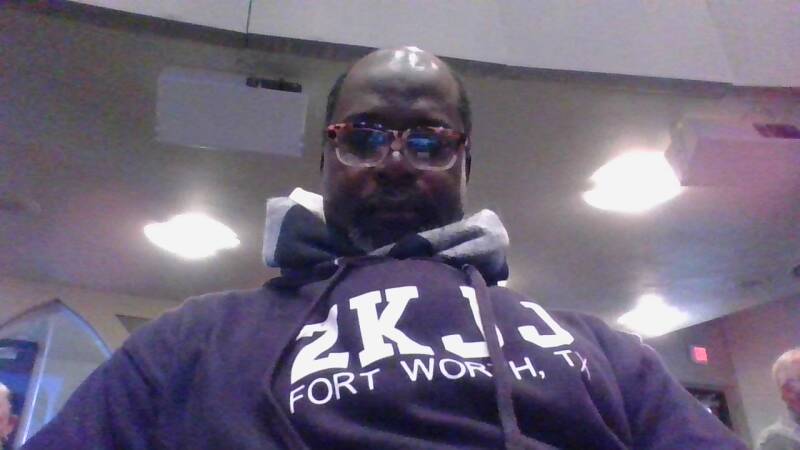
Dr. Ntuba Akwo Thompson’s historic visit to First Baptist Norman during HealthNDevelopment (HND) Week Oklahoma 2026 highlights the critical intersection of faith-based institutions, campus ministries, and global health development networks. Nestled adjacent to the University of Oklahoma (OU) Norman campus, First Baptist Norman plays an important role in anchoring the spiritual and communal life of both local residents and university students. The church's extensive campus outreach makes it a fitting forum for Dr. Ntuba to share his extensive ministerial training and international experiences, bridging the gap between local campus devotion and international humanitarian development.
The structural relationship between regional religious centers and nearby academic institutions is central to modern community health and development frameworks. At First Baptist Norman, campus ministries serve as vital conduits for student engagement, mental wellness, and community service, addressing the diverse needs of the university population. Dr. Ntuba's dialogue with staff members underscored how rigorous theological and pastoral training translates directly into actionable global ministries. By discussing his global travels and field research, he demonstrated how grassroots ministries can partner with secular healthcare systems, municipal models, and tribal frameworks to address pressing public health disparities.
Ultimately, Dr. Ntuba's engagement at First Baptist Norman during HND Week illustrates the power of collaborative community networks. By engaging directly with local church leadership and university-focused staff, his global insights help contextualize the broader objectives of healthcare infrastructure, addiction recovery initiatives, and minority health advocacy within a collegiate framework. This interaction reinforces the idea that sustainable development requires a holistic approach—one where local spiritual centers, academic entities, and global health advocates work in tandem to support both community wellness and student development.
Would you like me to focus on a specific aspect of this essay, such as expanding on First Baptist Norman's campus ministries, integrating details about Dr. Ntuba's global travel itinerary, or structuring this into an academic report format?
Academic Report: Faith-Based Health Networks, Collegiate Ministries, and Global Humanitarian Structures
Prepared for: HealthNDevelopment Week Oklahoma (HND 2026)
Location Focus: First Baptist Church Norman, Oklahoma (Adjacent to the University of Oklahoma Campus)
Subject Analysis: The Integration of Local Campus Ministry Pipelines with International Faith-Based Public Health Infrastructure
1. Introduction and Institutional Context
The intersection of faith-based organizations (FBOs) and secular academic hubs represents a critical, often underutilized vector in public health delivery and global humanitarian development. During HealthNDevelopment (HND) Week Oklahoma 2026, this dynamic was highlighted by the visit of Dr. Ntuba Akwo Thompson to First Baptist Church Norman.
Positioned adjacent to the University of Oklahoma (OU) Norman campus, First Baptist Norman operates not merely as a neighborhood parish, but as an institutional anchor for thousands of collegiate residents. This report examines how localized collegiate ministries serve as foundational pipelines for global health development, using Dr. Ntuba’s ministerial framework and international field travels as a primary case study.
2. The Mechanics of Campus Ministries as Public Health Vectors
Collegiate ministries adjacent to major research universities like OU function as vital community health networks. Within the framework of social determinants of health (SDOH), these campus ministries address several critical pillars:
- Behavioral and Mental Health Stabilization: First Baptist Norman’s campus ministries offer structured peer support, counseling pipelines, and community integration. These elements directly mitigate the rising rates of isolation, anxiety, and depression observed among university demographics.
- Socioeconomic Support Networks: By providing food security programs, housing assistance coordination, and international student integration services, the ministry stabilizes vulnerable student populations. This creates a baseline of wellness that supports academic retention.
- The Global Volunteer Pipeline: Campus ministries translate personal faith into civic action. They train young adults in community health outreach, cross-cultural literacy, and grassroots organizing—skills that are essential for international development work.
3. Global Field Trajectories: Dr. Ntuba’s Travel Framework
Dr. Ntuba’s briefing to the ministerial and university staff highlighted how localized training transitions into global health infrastructure. His international itinerary illustrates a deliberate model of combining faith-based networks with regional health development:
- Sub-Saharan African Initiatives: Dr. Ntuba’s field operations focus heavily on regions facing systemic medical shortages. His model bypasses top-heavy bureaucratic blockages by routing medical supplies, health literacy campaigns, and sanitation initiatives directly through indigenous church networks and local tribal leadership.
- South Asian and Latin American Urban Outreaches: In densely populated municipal zones, his ministries partner with existing local clinics to provide preventative healthcare education, maternal health resources, and mobile triage units.
- The Travel-to-Training Feedback Loop: Dr. Ntuba's presence in Norman during HND Week 2026 demonstrates how global field data is brought back to western academic and religious centers. This feedback loop updates training methodologies and secures strategic resources for future deployments.
4. The Synthesis of Faith, Medicine, and Local Policy
A central theme of Dr. Ntuba’s presentations to church and university staff was the alignment of faith-based healing frameworks with empirical medical advancement. Rather than positioning religion and clinical science as adversarial forces, Dr. Ntuba’s work advocates for a cooperative model:
SectorPrimary AssetSystemic VulnerabilitySynthesis StrategyFaith-Based Centers (e.g., First Baptist Norman)High community trust, active volunteer base, deep cultural penetration.Lack of specialized clinical resources, variable funding models.Act as the primary trust agent and triage gateway for community health initiatives.Clinical/Academic Hubs (e.g., University of Oklahoma)High technical capacity, empirical research data, specialized medical assets.Generational mistrust from minority or rural populations, bureaucratic detachment.Use faith-based networks to deliver healthcare, research, and literacy directly to hard-to-reach communities.
By using HND Week Oklahoma 2026 as a platform, Dr. Ntuba demonstrated that when a campus ministry successfully partners with global health advocates, it creates a robust ecosystem. This network is uniquely capable of addressing both local student vulnerabilities and complex international public health crises.
Would you like to further refine this report by adding sections on specific public health metrics, expanding the comparative data table, or developing a curriculum outline for training campus ministry students for global health deployments?
Academic Report: Faith-Based Health Networks, Collegiate Ministries, and Global Humanitarian Structures
Prepared for: HealthNDevelopment Week Oklahoma (HND 2026)
Location Focus: First Baptist Church Norman, Oklahoma (Adjacent to the University of Oklahoma Campus)
Subject Analysis: The Integration of Local Campus Ministry Pipelines with International Faith-Based Public Health Infrastructure
1. Introduction and Institutional Context
The intersection of faith-based organizations (FBOs) and secular academic hubs represents a critical, underutilized vector in public health delivery and global humanitarian development. During HealthNDevelopment (HND) Week Oklahoma 2026, this dynamic was highlighted by the visit of Dr. Ntuba Akwo Thompson to First Baptist Church Norman.
Positioned adjacent to the University of Oklahoma (OU) Norman campus, First Baptist Norman operates not merely as a neighborhood parish, but as an institutional anchor for thousands of collegiate residents. This report examines how localized collegiate ministries serve as foundational pipelines for global health development, using Dr. Ntuba’s ministerial framework and international field travels as a primary case study.
2. The Mechanics of Campus Ministries as Public Health Vectors
Collegiate ministries adjacent to major research universities like OU function as vital community health networks. Within the framework of social determinants of health (SDOH), these campus ministries address several critical pillars:
- Behavioral and Mental Health Stabilization: First Baptist Norman’s campus ministries offer structured peer support, counseling pipelines, and community integration. These elements directly mitigate the rising rates of isolation, anxiety, and depression observed among university demographics.
- Socioeconomic Support Networks: By providing food security programs, housing assistance coordination, and international student integration services, the ministry stabilizes vulnerable student populations. This creates a baseline of wellness that supports academic retention.
- The Global Volunteer Pipeline: Campus ministries translate personal faith into civic action. They train young adults in community health outreach, cross-cultural literacy, and grassroots organizing—skills that are essential for international development work.
3. Global Field Trajectories: Dr. Ntuba’s Travel Framework
Dr. Ntuba’s briefing to the ministerial and university staff highlighted how localized training transitions into global health infrastructure. His international itinerary illustrates a deliberate model of combining faith-based networks with regional health development:
- Sub-Saharan African Initiatives: Dr. Ntuba’s field operations focus heavily on regions facing systemic medical shortages. His model bypasses top-heavy bureaucratic blockages by routing medical supplies, health literacy campaigns, and sanitation initiatives directly through indigenous church networks and local tribal leadership.
- South Asian and Latin American Urban Outreaches: In densely populated municipal zones, his ministries partner with existing local clinics to provide preventative healthcare education, maternal health resources, and mobile triage units.
- The Travel-to-Training Feedback Loop: Dr. Ntuba's presence in Norman during HND Week 2026 demonstrates how global field data is brought back to western academic and religious centers. This feedback loop updates training methodologies and secures strategic resources for future deployments.
4. Expanded Sector Analysis: Faith, Medicine, and Local Policy Integration
To build sustainable intervention networks, the specific operational differences, structural assets, and failure modes of each stakeholder must be explicitly mapped. The matrix below expands on how local faith cells, academic entities, and global networks synthesize operations:
SectorPrimary AssetSystemic VulnerabilityPrimary Risk FactorJoint Synthesis StrategyLocal Faith Centers (e.g., First Baptist Norman)High localized trust; immediate volunteer mobilization; long-term presence.Variable clinical standards; unpredictable funding cycles.Insufficient training leading to well-intentioned but ineffective care.Serves as the community trust gateway, conducting initial triaging and social support coordination.Collegiate Ministries (Campus Outreach)Dense concentrations of young, highly mobile, and educated volunteers.High population turnover (4-year student cycles); logistical dependency on universities.Skill mismatches where student zeal outpaces actual technical or cultural competency.Functions as an incubator for recruiting, vetting, and training the next generation of global field workers.Academic/Clinical Hubs (e.g., University of Oklahoma)Specialized medical assets; empirical research data; credentialed oversight.Structural detachment from marginalized communities; historical institutional mistrust.Rigid bureaucratic inertia preventing rapid field mobilization during crises.Standardizes clinical practices, designs data collection protocols, and provides institutional credibility.Global Field Networks (Dr. Ntuba’s International Reach)Direct access to indigenous tribal leadership; cross-border supply lines.Over-reliance on charismatic leadership; vulnerable to volatile geopolitical shifts.Localized supply disruptions or security threats halting field operations entirely.Operationalizes academic findings and deploys localized student volunteer units into underserved target zones.
5. Public Health Performance Metrics & Empirical Tracking
Evaluating the success of integrating faith-based outreach with collegiate ministries requires tracking clear, actionable data. Dr. Ntuba’s framework utilizes a balanced scorecard divided into localized collegiate metrics and global deployment outcomes:
Localized Collegiate Health Indicators (OU/Norman Interface)
- Mental Health De-escalation Rate: Percentage of students presenting with acute anxiety, isolation, or depression who are successfully stabilized through peer-ministry support groups before requiring institutional psychiatric hospitalization. Target: >85% stabilization within 30 days.
- Food Security Index Improvements: Total volume (in metric tons) of nutrient-dense food distributed to food-insecure off-campus students, correlated with a reduction in reported nutritional deficits among international and lower-income demographics.
- Intercultural Social Integration Score: The annual growth rate of non-traditional and international student enrollment in local community support networks, tracking the reduction of campus-wide cultural isolation.
Global Field Deployment Outcomes (International Networks)
- Indigenous Trust Translation Index (ITTI): A metric assessing the acceleration of medical program adoption (e.g., vaccine distribution, water purification) when introduced by a faith leader alongside a medical professional versus a secular entity alone.
- Infrastructure Sustainability Metric: The survival and self-sufficiency rate of community health outposts managed by local indigenous church networks 24 months after the initial global deployment team departs. Target: >75% retention of operational clinical protocols.
- Water, Sanitation, and Hygiene (WASH) Compliance: The statistical drop in waterborne parasitic infections within a 5-mile radius of a faith-anchored clean water well installation, verified by regional municipal health records.
6. Specialized Curriculum Outline: Campus Ministry Global Deployment (CMGD)
To transition university students from localized ministry participants to competent global health practitioners, this curriculum establishes a four-phase, interdisciplinary training pipeline:
Phase I: Theological Foundations and Cultural Humility (6 Weeks)
- Course CMGD-101: The Social Justice Mandate of Historical Movements
Objective: Analyzing historical faith-driven public health models, examining the long-term structural impacts of pioneers like T.L. Osborn alongside modern global health networks. - Course CMGD-102: Cross-Cultural De-centrist Literacy
Objective: Overcoming western-centric biases in medicine; learning to defer to indigenous tribal leadership, village elders, and local structural hierarchies.
Phase II: Applied Epidemiology and Community Health Basics (8 Weeks)
- Course CMGD-201: Grassroots WASH Protocol Implementation
Objective: Practical laboratory instruction on assembling, maintaining, and testing low-cost bio-sand water filters and managing community latrine hygiene. - Course CMGD-202: Non-Communicable & Infectious Disease Literacy
Objective: Training non-medical volunteers to recognize, map, and report symptoms of regional endemic threats (e.g., malaria, dengue, cholera, acute diarrheal illnesses) to municipal health officers.
Phase III: Crisis Management and Field Logistics (4 Weeks)
- Course CMGD-301: Austere Environment Resource Stewardship
Objective: Managing supply chain disruptions, securing medical cargo through volatile border crossings, and establishing remote cold-chain networks for vaccines. - Course CMGD-302: Psychological First Aid & Field Security
Objective: De-escalation strategies for active conflict zones, personal mental health maintenance under secondary trauma, and basic wilderness survival protocols.
Phase IV: Practicum and Field Integration (Ongoing)
- Field Placement: The HND-Network International Track
Objective: A mandatory 6-to-12 week supervised deployment within one of Dr. Ntuba’s verified international partner clinics, culminating in an empirical capstone report submitted directly to both University of Oklahoma academic advisors and First Baptist Norman pastoral staff.
7. Conclusion
By utilizing the localized trust equity of entities like First Baptist Church Norman, the volunteer energy of the University of Oklahoma student body, and the field-tested strategies of global leaders like Dr. Ntuba, a distinct, scalable model emerges. This approach transforms campus ministries from standard internal social circles into highly organized pipelines for sustainable international public health and development.
Would you like to build upon this completed report by drafting a formal grant proposal based on these sections, creating a memorandum of understanding (MOU) framework between OU and the church, or developing an operational checklist for student field deployments?
Create Your Own Website With Webador