
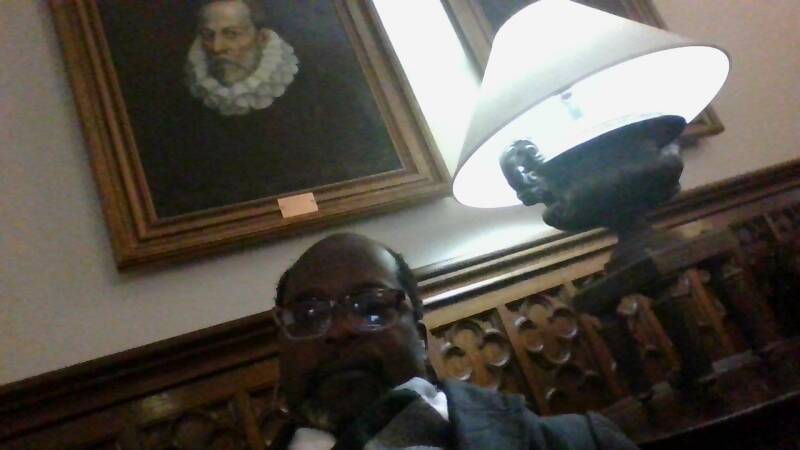
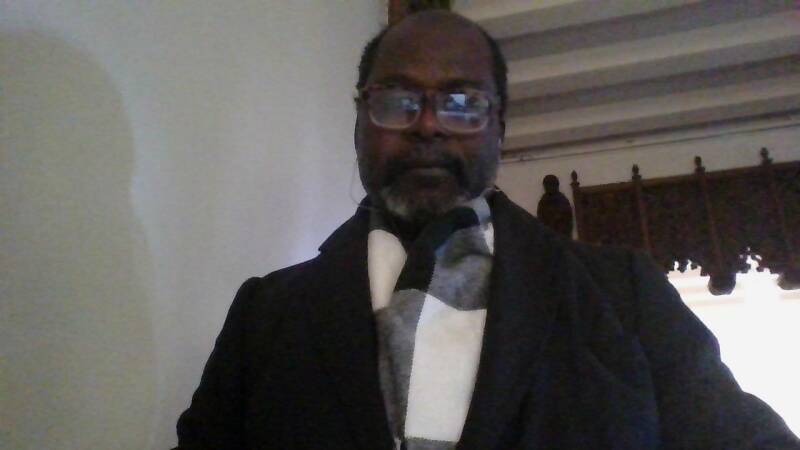
Dr. Ntuba Akwo Thompson on global health and development
Join leading global health visionary Dr. Ntuba Akwo Thompson at HEALTHNDEVELOPMENT WEEK. Explore groundbreaking perspectives on international health communication, cross-border diplomacy, and community outreach designed to empower global development practitioners worldwide.
Key focal areas and masterclasses
Discover the specialized educational tracks led by Dr. Ntuba Akwo Thompson, engineered to bridge policy, diplomacy, and grass-roots execution across the global health landscape.

Health diplomacy
Mastering multilateral collaboration, treaty frameworks, and international partnerships to advance universal healthcare initiatives across continents.

Health communication
Strategic advocacy and public information models that educate communities, combat misinformation, and drive sustainable behavioral changes.

Community outreaches
Field-tested methodologies for grassroots deployment, ensuring quality medical resources reach vulnerable and remote populations effectively.
Empowering the global development community
Designed specifically for international development leaders, policy researchers, public health officials, and passionate changemakers seeking actionable knowledge.

Transformative insights for development professionals
Dr. Ntuba Akwo Thompson brings decades of comprehensive field experience to HEALTHNDEVELOPMENT WEEK. Attendees will gain actionable roadmaps for navigating complex international regulations, building equitable health interventions, and spearheading long-term socioeconomic progress. Whether working within multilateral institutions, regional health ministries, or non-governmental organizations, these sessions equip participants to navigate current global health crises with confidence.
Engage directly with Dr. Ntuba
Don't miss the chance to pose critical questions, network with fellow delegates, and participate in interactive discussions. Submit your questions ahead of time or secure your access to Dr. Ntuba's specialized workshops and live conference sessions.

DR ntuba
Dr. Akwo Thompson Ntuba’s work in global development and public health highlights the critical role that cities and communities play in achieving long-term sustainability. Over a career spanning more than fifteen years, Dr. Ntuba has consistently advocated for a grassroots, localized approach to health governance. By partnering directly with mayors, county judges, and municipal leaders—particularly across the United States and African urban centers—he has demonstrated that the most effective solutions to global crises are built from the ground up.
The City as the Unit of Change
While traditional global health frameworks often focus heavily on national policies and international treaties, Dr. Ntuba’s strategy shifts the spotlight to municipal leadership. Cities are the frontlines of human settlement, bearing the immediate brunt of rapid urbanization, environmental degradation, and public health emergencies. Recognizing this, Dr. Ntuba has collaborated with mayors and local administrators to implement "Healthy Cities" initiatives.
These programs treat health not merely as the absence of disease, but as a byproduct of the urban environment. By advising city leaders on sustainable urban planning, clean energy integration, and resilient infrastructure, he has helped design communities where the healthy choice is the default choice. This approach directly aligns municipal governance with the United Nations’ Sustainable Development Goals (SDGs), particularly SDG 3 (Good Health and Well-being) and SDG 11 (Sustainable Cities and Communities).
Translating Global Policy into Local Action
A key strength of Dr. Ntuba’s methodology is his ability to cross-pollinate strategies between diverse governance structures. Having advised high-level state officials in Cameroon, he smoothly translated those macro-level insights into practical tools for local officials in the United States and various African municipalities, such as Yaoundé and Kampala.
His work with American city halls and county judges often centered on public participation and civic communication. Dr. Ntuba recognized a powerful parallel between the structured, high-impact nature of three-minute public comment sessions in US municipal meetings and the concise diplomacy required at international conferences. By mastering and promoting these condensed forms of civic communication, he helped local leaders better listen to, synthesize, and act upon the immediate needs of their constituents. This ensured that sustainability policies were not just top-down mandates, but community-driven mandates.
Empowering Communities Through the SEEDS Model
At the heart of Dr. Ntuba’s community-level interventions is his utilization of structured behavioral change frameworks, notably the SEEDS model. Through platforms like HealthNDevelopment magazine, he has championing communication campaigns that break down complex environmental and epidemiological data into actionable community knowledge.
Whether addressing climate resilience, energy sustainability, or localized disease prevention, his campaigns empower ordinary citizens to take ownership of their surroundings. This methodology builds institutional trust and social cohesion, which are essential components of sustainable civic infrastructure. When mayors and community leaders utilize these behavioral tools, they can foster long-term habits that protect both public health and the local environment.
Conclusion
Dr. Akwo Thompson Ntuba’s legacy in global health diplomacy is defined by his commitment to localized, community-centric sustainability. By equipping mayors and municipal leaders with robust communication tools, behavioral models, and policy frameworks, he has bridged the gap between global frameworks and local realities. His work proves that true sustainability cannot be achieved in a vacuum; it must be nurtured city by city, neighborhood by neighborhood, and community by community.
Dr. (Rev.) Akwo Thompson Ntuba is a trained physician, preacher, politician, global health consultant, and media publisher based in Texas. [1, 2, 3]
Key Background & Roles
- Medical & Global Health Career: Trained as a physician with medical studies at the University of Ilorin in Nigeria and prior medical/administrative roles in Cameroon (such as at St. Francis Polyclinic and the Bethel Health Foundation). He holds self-described and/or certified training in global health areas through programs linked to Johns Hopkins Bloomberg, USAID, and the Institute for Spirituality and Health at the Texas Medical Center. [1, 2, 3]
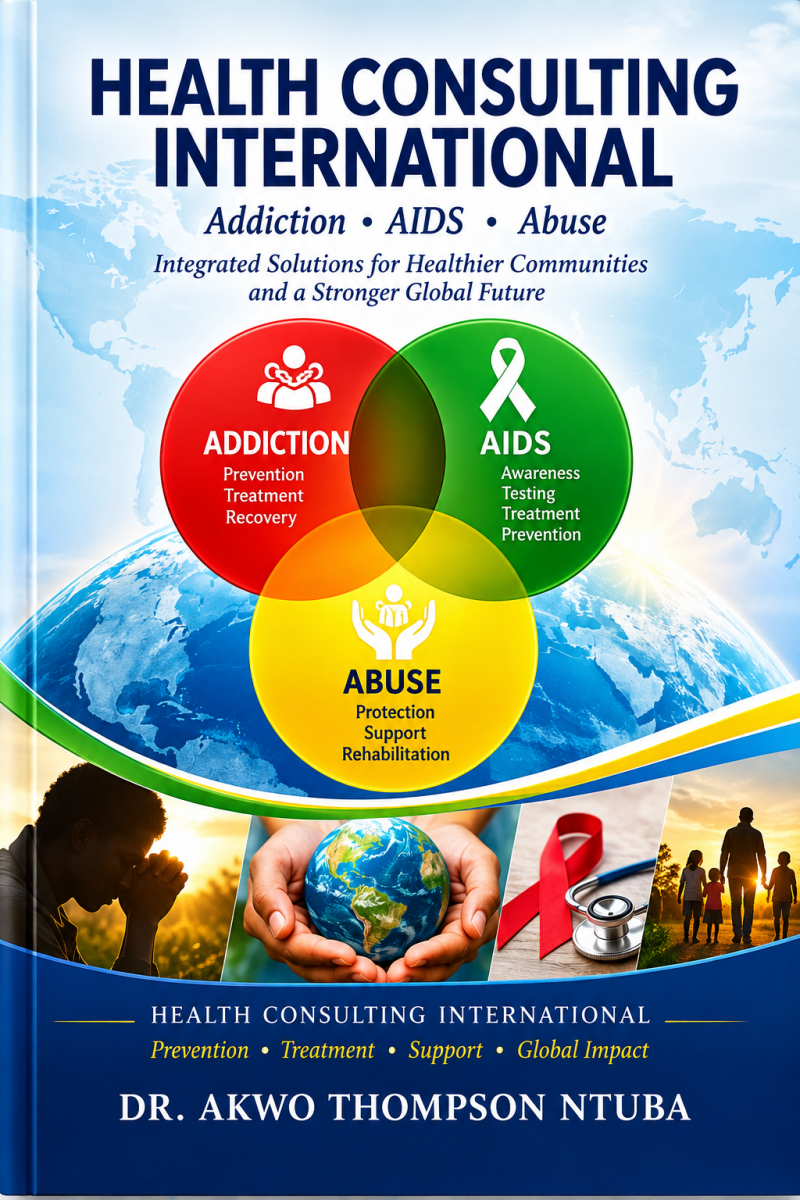
- Health Consulting & Media: Founder and CEO of Health Consulting International and editor/publisher of HealthNDevelopment Magazine & Media, focusing on health equity, maternal and child health, and the social determinants of health. [1, 2, 3]
- Ministry & Community Leadership: Active as a minister/preacher (President/CEO of Ntuba Ministries Association USA) and community/diaspora leader in Texas, with past involvement in organizations such as SWELA USA. [1, 2, 3]
- Personal Life: Married Judge Beatrice "Bea" Nambangi Ntuba, noted for her appearance in the documentary Sisters in Law. [1]
Published Work & Media Platforms
Dr. Ntuba Akwo Thompson centers his published output on health literacy, advocacy, and religious interpretations of medical issues. [1, 2]
- Books & Articles: He authored the book HIV/AIDS Is in the Bible, which he has used for guest lectures at seminaries. He was also published in the PCC CWF Ruby Jubilee Magazine, writing pieces focused on advocating for women's empowerment. [1]
- HealthNDevelopment Magazine: As the founder and primary editor of HealthNDevelopment, his digital and print media work focuses on connecting the UN’s Sustainable Development Goals (SDGs)—specifically SDG 3 (Good Health and Well-being)—with poverty alleviation, food security, and education. [1]
- Broadcast Media: In his earlier communication career, he hosted the radio program Hour of Victory. Today, he produces independent video broadcasts via his YouTube Channel to amplify international health initiatives, such as those by the American Thoracic Society. [1, 2, 3]
Global Health Initiatives
Operating through his firm, Health Consulting International, Dr. Akwo positions himself as an intermediary global health communicator. [1, 2]
- Organizational Collaborations: His online portfolios highlight independent, communication-based alignment with materials from the World Health Organization (WHO) and the Centers for Disease Control and Prevention (CDC). [1, 2]
- Policy Strategy Work: He has participated in Capitol Hill briefings, international AIDS conferences, and forums alongside global health experts. Notably, he contributed to discussions regarding the improvement of care quality in Low- and Middle-Income Countries (LMIC) at the National Academies of Sciences, Engineering, and Medicine (formerly the Institute of Medicine). [1]
- Emergency Preparedness: His initiatives lean heavily on global health communication strategies that advocate for pandemic response planning, metabolic health awareness, and eliminating health disparities on an international scale. [1, 2]
Community Programs in Texas
Dr. Akwo’s local Texas presence spans grassroots community programs, local government strategy, and state-level advocacy across Houston, San Antonio, and Austin. [1, 2]
- Urban Health Initiatives: In Houston, he has championed programs targeting historically underserved neighborhoods like Sunnyside, the Fifth Ward, and Denver Harbor. His focus in these communities includes advocating for mental health first aid training, urban gardening, and mobile telehealth screenings for diabetes and high blood pressure.
- Disaster Recovery: Following Hurricane Harvey, he partnered with local leaders and members of the Congressional Black Caucus Foundation to strategize economic and health recovery efforts for impacted families in the Houston area.
- Municipal Partnerships: In San Antonio, he worked alongside city leadership on the "Fast-Track Cities" initiative, a global partnership aimed at ending the HIV epidemic at the municipal level by accelerating local testing and treatment access.
- State Capitol Advocacy: He regularly conducts medical policy monitoring at the Texas State Capitol in Austin, tracking minority health legislation and state-level healthcare allocations. [1, 2, 3]
Health Communication Strategies
Dr. Akwo Thompson Ntuba’s communication approach is interdisciplinary, bridging the gap between clinical science, global health directives, and the public. His core strategies include:
• Cross-Agency Amplification: Rather than creating standalone public health campaigns, Dr. Ntuba acts as an independent digital conduit for established global health entities. His media initiatives focus heavily on broadcasting and amplifying the guidelines, research, and intervention models developed by organizations like the World Health Organization (WHO), the Centers for Disease Control and Prevention (CDC), and the American Thoracic Society.
• Multimodal Media Distribution: He utilizes a mixed-media strategy that transitions between print, digital, and video platforms. In his earlier work, he relied on traditional mediums like the radio program Hour of Victory and magazine publishing (HealthNDevelopment). More recently, he has pivoted toward online video broadcasts via independent YouTube channels to disseminate information on nutrition, metabolic wellness, and global health diplomacy.
• Faith-Based Health Literacy: Leveraging his role as a minister, he routinely integrates medical awareness into religious frameworks to reach specific demographics. This is best exemplified by his book HIV/AIDS Is in the Bible, which he has used during guest lectures at seminaries to bridge faith-based leadership with public health education.
• Community-Centric Advocacy: His work relies on translating high-level clinical research into accessible localized messaging. His content focuses heavily on increasing personal risk perception, destigmatizing mental health challenges, and improving general health literacy among marginalized groups.
Legislative Policy Tracking at the Texas State Capitol
In his policy work, Dr. Ntuba shifts his focus toward structural systemic changes, operating out of the Texas State Capitol in Austin and covering municipal trends across Houston and San Antonio. His tracking operations focus on several specific legislative vectors: [1, 2]
- Minority Health Legislation: He monitors state-level bill trajectories that impact healthcare allocations for underserved minority populations, analyzing how state policy either closes or widens localized health disparities.
- Macro Health Equity Monitoring: His legislative tracking heavily intersects with the UN's Sustainable Development Goals (SDGs). He actively monitors how state and municipal budgets affect the foundational social determinants of health, such as regional food security programs, clean water infrastructure, and environmental health variables impacting urban centers.
- Translational Policy Work: Acting as an independent analyst, he parses complex state health bills to translate their practical local outcomes—such as changes to maternal care access or funding for community telehealth programs—for public consumption via his media arms. [1]
Educational Background & Global Health Certifications
Dr. Ntuba Akwo Thompson’s training combines a foundational medical degree in West Africa with a series of specialized global health certifications. [1, 2]
- Medical Degree: He earned his foundational medical degree (MD) from the University of Ilorin Medical School in Nigeria and is registered under the Cameroon Medical Order (MD No. 4058). [1, 2]
- Global Health Credentials: He holds verified professional certifications in global health, monitoring, and evaluation through training modules associated with Johns Hopkins Bloomberg School of Public Health and USAID. [1]
- Specialized Certifications: He is certified in Health and Spirituality from the Institute for Spirituality and Health (ISH) at the Texas Medical Center. Additionally, he has completed public health program trainings spanning various institutions, including modules on Global Health Diplomacy from the State University of New York (SUNY) and public health emergency operations. [1, 2]
- Auxiliary Studies: His professional profile notes continuous education certifications in infectious disease management (such as HIV/AIDS clinical updates from programs in France and the UK) alongside a ministry degree. [1]
- Degree in Theology USA
Alignment with UN Sustainable Development Goals (SDGs)
Through his publishing arm, HealthNDevelopment Magazine and Media, Dr. Ntuba’s work positions health not as an isolated field, but as a central pillar of global equity. His platforms focus extensively on: [1]
- SDG 3 (Good Health and Well-being): This is the core anchor of his advocacy, specifically highlighting maternal health, child survival, and the management of infectious and non-communicable diseases.
- Socioeconomic Intersection (SDGs 1, 2, & 4): His editorials connect health outcomes directly to SDG 1 (No Poverty), SDG 2 (Zero Hunger), and SDG 4 (Quality Education), arguing that medical treatments are ineffective without food security and baseline health literacy.
- Environmental & Climate Health (SDGs 7 & 13): His initiatives address environmental occupational health, examining how climate shifts and urban industrial factors impact community wellness.
- Global Partnerships (SDG 17): He focuses on building multi-sectoral collaborations—connecting healthcare groups, local government, and faith communities—to advance health systems. [1, 2]
International Healthcare Management in Cameroon
Before his migration and focus on Texas-based public health advocacy, Dr. Ntuba spent his early career navigating clinical and structural healthcare administration roles in Cameroon. [1, 2]
- Clinical Leadership: He served as the Deputy Chief Medical Officer at St. Francis Polyclinic and subsequently took on the role of Chief Medical Officer and Director of the Bethel Health Foundation in Kumba, Cameroon.
- Healthcare Association Governance: He managed broader administrative portfolios as the former Secretary of the Private Health Providers Association in Kumba, where he oversaw strategic operational coordination among non-governmental medical centers.
- Diaspora & Civic Leadership: He held presidential roles in civic and regional organizations, serving as the President of NEXSA Kumba, Interim National Chair for NEXSA Cameroon, and past President of SWELA USA. [1, 2]
Articles & Media Footprints from Cameroon
During his clinical and leadership years in Cameroon's Southwest Region, Dr. Ntuba’s writing focused primarily on the intersection of faith, medical awareness, and civic advocacy. [1]
- Faith-Based Health Literature: His most prominent publication from this period is the book "HIV/AIDS Is in the Bible", which he regularly used to deliver guest lectures at the Presbyterian Church in Cameroon (PCC) Seminary. The text frames modern viral containment and epidemiology through biblical historical context to address stigma in local religious communities. [1]
- Women's Advocacy and Equity: He authored dedicated advocacy columns published in the PCC Christian Women Fellowship (CWF) Ruby Jubilee Magazine. His entries specifically focused on the social determinants of health, arguing that female empowerment, financial independence, and maternal literacy are prerequisite conditions for lowering infant and regional mortality rates. [1]
- Civic Chronicles: Through his early communication platforms, including the regional radio broadcast program "Hour of Victory", he documented local public health challenges, public healthcare failures, and the operational hurdles of running the prison ministry in the Kumba Production Prisons. [1]
Consulting Framework at Health Consulting International
Rather than offering standardized transactional consumer packages, Dr. Ntuba's firm, Health Consulting International (HCI), structures its operations around institutional advisory services, global health diplomacy, and public capacity building. [1]
The firm's core operational pillars are divided into specific service streams:
Consulting DivisionScope of Services & InterventionsGlobal Health Diplomacy & StrategyHigh-level advisory support for international partners, ministries, and non-governmental entities to scale up resource mobilization.Infectious & Chronic Disease StrategyCustom intervention design for localized containment of HIV/AIDS, tuberculosis, and malaria, alongside wellness programming for metabolic disorders.Urban & Minority Health EquityConsulting frameworks for metropolitan leadership focused on building "Healthy Cities," eliminating geographic health disparities, and scaling mobile telehealth programs.Community Engagement & MobilizationTechnical training modules covering interpersonal health communication, counseling, and peer education frameworks for local workforces.
HCI also functions as the administrative backbone for his public health communication initiatives, deploying resource kits that align with the World Health Organization's (WHO) guidelines on emergency preparedness and structural health literacy. [1, 2]
Collaborative Work with Federal Research Agencies (NIH & CDC)
Dr. Akwo Thompson Ntuba’s engagement with federal health organizations in the United States primarily takes the form of high-level site visits, public consultations, and community-facing information amplification. [1]
- Global Health Communication: Operating out of key policy corridors including Washington D.C., Baltimore, and New York, Dr. Ntuba acts as a health and development expert. He collaborates directly with the Centers for Disease Control and Prevention (CDC) on localized global health communication issues. His platforms break down macro-level CDC epidemiological directives into accessible, community-level public health messaging. [1, 2]
- National Institutes of Health (NIH) Engagement: His international advocacy includes work visits to the National Institutes of Health (NIH) campus and participations at major health specialty conferences. Notably, his professional portfolios document direct interface and consultative meetings with top federal research leadership, including past discussions on infectious diseases and global health frameworks alongside figures like former NIAID Director Dr. Anthony Fauci. [1]
- Institutional Contributions: Alongside his federal tracking, he integrates communication briefings from the National Academies of Sciences, Engineering, and Medicine and the World Bank to bridge institutional research with grassroots health initiatives. [1]
Diaspora Governance and Leadership (SWELA USA)
In tandem with his clinical background, Dr. Ntuba is a prominent socio-political organizer within the African diaspora network in North America, representing cultural preservation and regional advocacy. [1]
- SWELA USA Leadership: Dr. Ntuba serves as the National President and CEO of SWELA USA (South West Elite Leaders Association). This organization serves as a major diaspora governance hub for elite professionals and cultural leaders hailing from the Southwest Region of Cameroon who are currently residing across the United States. [1]
- Development & Advocacy: Under his administration, the association coordinates socio-economic development initiatives, educational grant allocations, and cultural heritage preservation projects. He leverages this platform to unify diaspora voices, directing resource mobilization and humanitarian aid strategies back to local communities in West Africa. [1, 2]
- Political & Civic Footprint: Reflecting his multi-faceted role as a "physician, politician, and preacher," his legacy within diaspora governance includes past leadership tenures as a local section president for the Cameroon People's Democratic Movement (CPDM Section 922) and executive roles in regional student and civic alumni groups like NEXSA. [1, 2]
Media Projects Targeting Infectious Disease Prevention
Dr. Akwo Thompson Ntuba’s digital and print media projects focus on translating high-level medical science into public health knowledge. His key projects include:
- HealthNDevelopment Media Platform: Through his digital outlet, HealthNDevelopment, Dr. Ntuba acts as a health communication bridge. His media footprints focus on breaking down global infectious disease initiatives—specifically targeting the containment and prevention of HIV/AIDS, Tuberculosis (TB), and Malaria. [1, 2]
- Evidence-Based Health Literacy Campaigns: His media campaigns are structured around combating vaccine hesitancy and dismantling public myths surrounding outbreaks. By adapting technical research into everyday language, his work aims to increase personal risk perception and promote proactive, community-driven intervention models. [1, 2]
- Video & Social Broadcasts: Dr. Ntuba leverages video platforms and independent social media channels to amplify global updates from international health networks, such as the International Society of Infectious Diseases (ISID). These broadcasts concentrate on pandemic preparedness, public health emergency tracking, and scaling up resource mobilization. [1, 2, 3]
Interpersonal Health Counseling & Behavioral Frameworks
Within his consulting firm, Health Consulting International, Dr. Ntuba’s individual and peer counseling programs rely on evidence-based behavioral science combined with spiritual integration.
-
- Social and Behavioral Change Communication (SBCC): His counseling methodologies are deeply rooted in the Social & Behavioral Change Model. This framework prioritizes understanding the environmental, cultural, and cognitive factors that dictate an individual's wellness choices, guiding clients through stages of behavioral modification. [1, 2]
- Voluntary Testing and Counseling (VTC): He designs specialized technical training models for peer educators and healthcare workers. These frameworks are optimized for discrete, culturally sensitive, and supportive interactions, particularly for individuals undergoing screenings for infectious conditions or managing chronic metabolic disorders. [1]
- Integrative-Spiritual Counseling: Reflecting his specialized credentials from the Institute for Spirituality and Health at the Texas Medical Center, Dr. Ntuba utilizes faith-based counseling modules. His frameworks integrate clinical mental health awareness, substance use recovery paradigms (incorporating SAMHSA tools), and integrative spiritual healing models to support underserved minority populations holisticsally. [1, 2]
Public Health Tracking & Behavioral Change Tools
Dr. Akwo Thompson Ntuba’s consulting framework relies on standardized Social and Behavioral Change Communication (SBCC) methodologies to drive community-level health updates. His tracking operations focus on mapping the social determinants of health against individual choices using several key structural tools: [1]
- S.E.E.D.S. Framework Tracking: He incorporates multi-level stakeholder frameworks modeled after the S.E.E.D.S. principles (Sensitivity, Encouragement, Education, Development of Skills, and Self-Image). This tracker evaluates community trauma, health literacy levels, and the psychosocial readiness of a demographic before introducing local public health campaigns. [1, 2]
- CDC Program Evaluation Framework: He actively employs the CDC Program Evaluation Framework to track accountability, program utility, and project feasibility. His platforms utilize this six-step tool to gather credible evidence, engage local stakeholders, and ensure public health programs are meeting equity metrics. [1, 2]
- Biopsychosocial-Spiritual (BPSS) Tracking: Operating via his recovery missions, he uses integrated BPSS screening tools. This allows his platforms to monitor individual recovery timelines for substance abuse, mental health conditions, and chronic metabolic illnesses by balancing clinical science with faith-based accountability. [1]
Global Health Diplomacy & Institutional Partnerships
On an international level, Dr. Ntuba positions himself as a diplomatic bridge connecting high-level federal, multilateral, and global policy organizations with public distribution networks. [1]
- Federal Research & Health Agency Collaborations: His diplomatic efforts include ongoing strategic interface with the Centers for Disease Control and Prevention (CDC) and the National Institutes of Health (NIH). He focuses on translating broad epidemiological tracking data from these federal bodies into action-oriented health communication materials for the general public. [1]
- Multilateral Information Partnerships: Through Health Consulting International, he maintains independent partnerships with the World Health Organization (WHO), the World Bank, and the United Nations to promote global health security. His platforms focus on the "Four Cs" of global health diplomacy—Collaboration, Communication, Coordination, and Cooperation—to push for health equity in Low- and Middle-Income Countries (LMIC). [1, 2, 3]
- Transatlantic Policy Briefings: His international footprint includes high-level communication briefings conducted in the British House of Commons in London, meetings with Commonwealth leaders at Marlborough House, and clinical policy benchmarking with physicians across France and Germany. These interactions are leveraged to align state-level policies in the U.S. with international health standards. [1]
At Health Consulting International, Dr. Akwo Thompson Ntuba’s operational toolkits and metabolic program guidelines focus on multi-layered public health communication, community compliance tracking, and chronic risk monitoring.
Pandemic Response Planning & Media Toolkits
Dr. Ntuba's specialized pandemic material focuses primarily on Social and Behavioral Change Communication (SBCC) and emergency preparedness messaging. Rather than authoring standalone epidemiological supply software, his toolkits function as translational communication packets designed to maximize civic compliance.
- Epidemiological Message Frameworks: His packets translate formal pandemic guidance—such as the HHS Pandemic Influenza Plan and CDC risk metrics—into highly localized, culturally sensitive media templates for minority groups.
- The 4 Cs of Health Crisis Communication: His strategic communication kits map out strict messaging hierarchies focused on Collaboration, Communication, Coordination, and Cooperation to maintain municipal information flow during widespread lockdowns.
- Grassroots Material Distribution: Formulated during his partnerships with Harris County and the City of Houston, these kits contain print, digital, and broadcast templates tailored to clear up public misinformation, increase proactive viral testing, and improve personal risk perception.
Clinical Metrics Tracked for Metabolic Wellness
For metabolic wellness, chronic disease prevention, and community health monitoring, his advisory frameworks integrate absolute biological indicators with behavioral self-care compliance metrics. His tracking strategies analyze the following core vectors:
1. Core Biomarkers and Lab Metrics
- Glycemic Balance: Hemoglobin A1c (HbA1c) and Fasting Plasma Glucose (FPG) levels are primary markers. His tracking models focus on keeping HbA1c below the critical target of <8% to drastically mitigate down-stream microvascular complications. [1]
- Cardiovascular and Lipid Profiles: Monitors Triglyceride-to-HDL cholesterol ratios (TG/HDL ratio), absolute non-HDL cholesterol, and blood pressure markers to assess insulin resistance (IR) and metabolic syndrome (MetS) trends. [1, 2]
- Systemic Inflammation: Integrates testing frequencies for High-Sensitivity C-Reactive Protein (hs-CRP) to monitor systemic baseline inflammatory flare-ups linked to chronic obesity. [1]
2. Mass-Independent Lifestyle & Energy Variables
- Metabolic Rate & Energy Balance: Reviews Resting Metabolic Rate (RMR) and absolute lean mass variations, avoiding simple body weight metrics to prevent the misinterpretation of absolute fat fluctuations.
- Sleep and Physical Activity Metrics: Tracks absolute sleep efficiency, sleep patterns, and activity markers. His programs rely on data establishing that stable sleep profiles directly lower the prevalence of peripheral neuropathy and chronic kidney disease (CKD).
- Digital Telemedicine Exposure: Measures the frequency and downstream efficacy of video and telephone virtual care initiatives, tracking how at-home microsampling and continuous glucose monitoring (CGM) usage directly bolster long-term behavioral compliance. [1, 2, 3, 4, 5]
Younger global health and global development experts learn from Dr. Akwo Thompson Ntuba through structured technical training, media-driven knowledge sharing, and tactical cross-sectoral mentorship.
By bridging the gap between clinical medicine, grassroots community work, and high-level international policy, his platforms provide early-career professionals with practical blueprints for public health delivery.
1. Technical Capacity Building & Training Programs
Through his firm, Health Consulting International (HCI), Dr. Ntuba directly trains and employs early-career associates and public health students.
- Monitoring & Evaluation (M&E): He provides formal training pipelines using specialized coursework, such as Global Institute Diplomas focused on the monitoring and evaluation of public health programs. Younger experts learn how to track program utility and maintain data accountability across complex community health initiatives.
- Behavioral Change Frameworks: Trainees are instructed on how to deploy interpersonal health communication models. They learn to utilize tools like the S.E.E.D.S. principles and the CDC Program Evaluation Framework to build community-specific health interventions. [1]
2. Digital Modeling & Health Media Production
For young professionals entering the field of health communications, Dr. Ntuba’s multimedia network functions as a case study in decentralized health literacy.
- Translational Media Design: Through HealthNDevelopment Magazine and Media, younger specialists observe how to deconstruct high-level, technical epidemiological updates from federal and multilateral giants (like the CDC and WHO) into digestible public messaging. [1]
- Leveraging Mixed Media: Early-career experts study his use of video broadcasts, independent YouTube channels, and print publications to build public trust, combat vaccine hesitancy, and elevate minority health equity. [1]
-
3. Practical Blueprints in Global Health Diplomacy
A major hurdle for young development practitioners is understanding how to navigate the socio-political space. Younger professionals look to Dr. Ntuba’s career trajectory to learn Global Health Diplomacy in practice.
- The "Four Cs" Principle: He mentors upcoming leaders on his structural framework for cross-agency alignment: Collaboration, Communication, Coordination, and Cooperation.
- Cross-Sectoral System Integration: He teaches younger experts how to blend seemingly separate fields—such as clinical medicine, faith-based leadership, municipal civil service, and transatlantic political lobbying—to gather resource mobilization for Low- and Middle-Income Countries (LMIC). [1]
Workshop Curricula for Consulting Associates
Dr. Akwo Thompson Ntuba structures the internal training for his specialists and associates at Health Consulting International (HCI) around a professional curriculum named "THE PLAN." This curriculum focuses on technical capacity building, field readiness, and cross-sectoral strategy:
- Global Health Diplomacy & Strategy: Associates are trained to interface directly with international partners, ministries, and entities like USAID to manage resource mobilization, policy briefings, and global health partnerships.
- Behavioral Change & Communication: A core pillar of the training involves mastering Social and Behavioral Change Communication (SBCC) models. Associates learn how to apply interpersonal health communication, counseling techniques, and peer education frameworks.
- Program Monitoring & Evaluation (M&E): Trainees study standardized tracking toolkits—including the S.E.E.D.S. framework and the CDC Program Evaluation Framework—to evaluate local public health campaign feasibility and maintain data accountability.
- Specialized Disease & Wellness Interventions: The curriculum provides clinical and strategic updates on the containment of infectious diseases (HIV/AIDS, Tuberculosis, Malaria) and the deployment of minority health equity initiatives, such as metabolic wellness and community telehealth programs.
Accessing the Digital Archives of His Media Outlet
The public articles, scientific reviews, newsletters, and media broadcasts produced by Dr. Ntuba are managed under his specialized publishing arm.
- The Main Media Repository: The complete digital archives for his publications are hosted directly on the official global media platform: HealthNDevelopment Magazine & Media.
- Available Archived Content: The digital database contains a mix of scientific and popular press articles, regular community health newsletters, and independent video broadcasts. These resources are designed to translate complex epidemiological reports from bodies like the CDC and WHO into accessible health literacy toolkits.
- Historical & Regional Focus: The archives compile his past editorial campaigns, covering topics from faith-based infectious disease destigmatization (stemming from his book HIV/AIDS Is in the Bible) to structural advocacy columns on regional maternal health and female empowerment.
"Healthy Cities" and International Collaborations
Dr. Akwo Thompson Ntuba’s engagement with international bodies like the World Bank, the United Nations, and the World Health Organization (WHO) revolves around aligning local governance with sweeping global initiatives. His advisory work models the World Bank’s overarching frameworks for building green, inclusive, and resilient urban spaces. Specifically, his strategies track the World Bank’s "TIP" Framework—Targeted support, Integrated action, and Preparation for future crises. [1, 2, 3]
Through his work visits and consultations, Dr. Ntuba has advocated for the integration of eight core urban action areas, such as improving water and sanitation systems (WASH), maximizing sustainable public spaces, and securing localized institutional funding. By interfacing with international expert panels and translating macro-level institutional resources down to municipal leaders, he has helped local governments deploy World Bank-aligned metrics to directly curb urban health inequities. [1, 2, 3]
Applying the SEEDS Framework to Energy & Sustainability
Within environmental and energy programs, Dr. Ntuba utilizes the SEEDS model as a psychological and structural blueprint to convert technical scientific data into community habits. Instead of treating energy sustainability as an engineering challenge alone, the SEEDS framework focuses on localized behavioral changes—specifically targeting community incentives, accessible local information, and public investments.
Through the communication network of his digital hub, the HealthNDevelopment Platform, Dr. Ntuba scales these environmental objectives by making complex green data accessible to everyday citizens. When applied to municipal energy initiatives, the framework empowers neighborhood groups to take ownership of local climate resilience, transforming top-down green energy mandates into community-driven lifestyle habits. [1]
Mayoral Advising and Global Policy Influence
Dr. Ntuba’s advisory role for city halls and local leadership is anchored in his extensive work with mayors, county judges, and legislative bodies. His strategic guidance emphasizes that local leaders are the most vital messengers in public health, equity, and civic safety. [1, 2]
His advisory work provides a masterclass on how municipal leaders can communicate honestly and empathetically during crises, synthesize diverse stakeholder perspectives, and establish clear regional alignments. By reinforcing these strategies through platforms like his professional network on Health Consulting International, Dr. Ntuba equips mayors with the specific communication tools needed to build long-term civic trust and implement structural policies that directly improve population health. [1, 2, 3, 4]
Case Study: Houston as a Blueprint for Civic Urban Health
To see Dr. Akwo Thompson Ntuba’s municipal strategy in action, one can look closely at his extensive public health policy and advisory footprint in Houston, Texas. As a primary hub for his domestic health communication efforts, Houston served as a real-world testing ground for bridging grassroots advocacy with high-level municipal governance.
Dr. Ntuba regularly interfaced with the Houston City Council and regional leadership to address acute community crises. During public legislative sessions, he actively advised city leaders on municipal health budgets, environmental adjustments, and the localized COVID-19 pandemic response. His reporting through the HealthNDevelopment Platform monitored structural shifts in the city, such as tracking appointments to the Port of Houston Commission aimed at directly curbing localized industrial pollution and surrounding health disparities.
Bridging Spiritual and Structural Infrastructure
Dr. Ntuba’s Houston initiatives also emphasized that sustainable cities require more than physical infrastructure—they require institutional cohesion. He completed intensive training and collaborative work with the Institute for Spirituality and Health (ISH) at the Texas Medical Center. Through this partnership, he integrated behavioral health, social wellness, and spiritual dimensions into urban care frameworks, helping local healthcare workers build comprehensive support systems.
His cross-sector collaborations spanned across various mayoral administrations. He worked alongside Mayor Sylvester Turner on regional wellness functions and paired health initiatives with transit networks alongside METRO Houston executives.
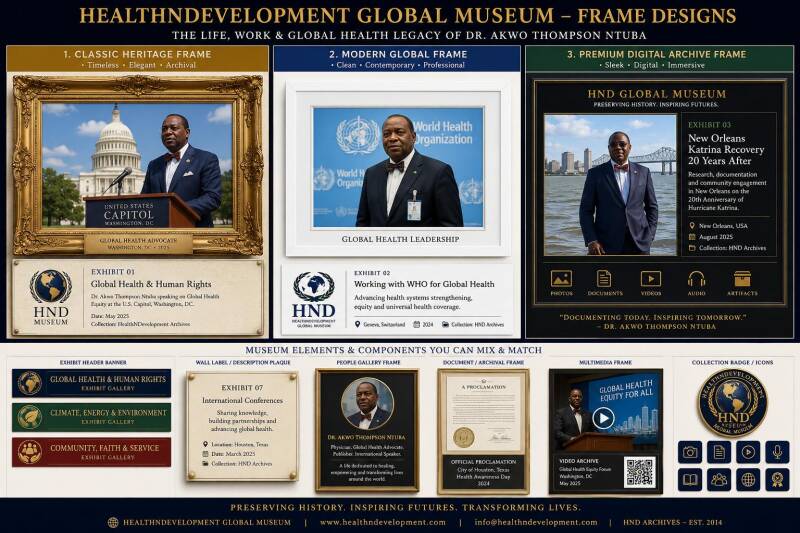
This deep civic footprint culminated in a historic milestone when the City of Houston, under Mayor Annise Parker, issued an official civic proclamation honoring Dr. Ntuba & bafaws . The award recognized their leadership and outstanding contributions to community advancement, civic engagement, and cultural enrichment. This Houston framework illustrates exactly how Dr. Ntuba translates macro global health goals into micro neighborhood realities.
Bridging Spiritual and Structural Infrastructure
Dr. Ntuba’s Houston initiatives also emphasized that sustainable cities require more than physical infrastructure—they require institutional cohesion. He completed intensive training and collaborative work with the Institute for Spirituality and Health (ISH) at the Texas Medical Center. Through this partnership, he integrated behavioral health, social wellness, and spiritual dimensions into urban care frameworks, helping local healthcare workers build comprehensive support systems.
His cross-sector collaborations spanned across various mayoral administrations. He worked alongside Mayor Sylvester Turner on regional wellness functions and paired health initiatives with transit networks alongside METRO Houston executives.
This deep civic footprint culminated in a historic milestone when the City of Houston, under Mayor Annise Parker, issued an official civic proclamation honoring Dr. Ntuba and . The award recognized his leadership and outstanding contributions to community advancement, civic engagement, and cultural enrichment. This Houston framework illustrates exactly how Dr. Ntuba translates macro global health goals into micro neighborhood realities.
Connecting Local Communities to National Health Strategy
Dr. Akwo Thompson Ntuba’s career illustrates that municipal health solutions are most effective when directly integrated with national frameworks and federal leadership. By working within federal spaces—including the National Institutes of Health (NIH) and the halls of the U.S. Congress—he has consistently advocated for bridging the gap between national funding, global epidemiological research, and local city requirements. [1, 2]
Collaborative Insights with Federal Health Leaders
Dr. Ntuba has participated in high-level policy spaces and collaborative forums alongside prominent federal health architects. At an international global health forum in New Orleans, he engaged in critical policy reflections alongside Dr. Anthony Fauci (former director of the National Institute of Allergy and Infectious Diseases), former Surgeon General Vivek Murthy, and former NIH Director Dr. Francis Collins. [1]
The focus of these engagements centered on the complexities of pandemic response, global health governance, and the devastating impact of federal research funding cuts on local public health readiness. Through these interactions, Dr. Ntuba reinforced how federal funding allocations and national health policies directly dictate a mayor's ability to protect their local constituents during a crisis. [1]
Legislative Advocacy on Capitol Hill
Dr. Ntuba’s federal footprint extends directly into national legislative bodies through strategic Capitol Hill briefings and policy development. Working directly inside the U.S. Congress, he collaborated with federal legislators like Senator Tom Carper of Delaware on American Thoracic Society (ATS) policy initiatives, demonstrating how specialized medical data can shape federal law. [1, 2]
Furthermore, following the devastation of Hurricane Harvey in Houston, Dr. Ntuba paired with civic leaders and the leadership of the Congressional Black Caucus Foundation to design localized economic and health recovery strategies. This work, highlighted through his professional platforms on Health Consulting International, showcases a seamless path of influence: federal lawmakers set the national legislative agenda, but experts like Dr. Ntuba ensure those resources are accurately targeted to fortify the local social and medical infrastructure of the cities that need them most. [1, 2]
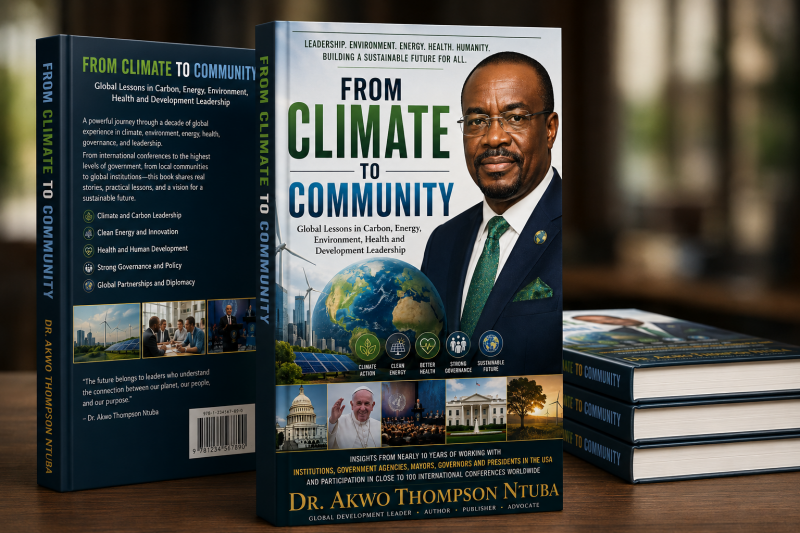
Dr. Akwo Thompson Ntuba’s book, From Climate to Environment, represents a definitive synthesis of his decade-long experience working as a senior communicator within the oil, gas, environmental, and energy sectors. Drawing from his unique vantage point at the intersection of corporate energy production and ecological advocacy, Dr. Ntuba delivers a comprehensive examination of how climate change actively reshapes global ecosystems and directly threatens human survival.
The text serves as both a rigorous environmental assessment and a strategic blueprint for municipal and national leaders navigating the modern climate crisis.
The Interconnectedness of Climate and Environment
A foundational theme of the book is the critical distinction and relationship between "climate" and "environment." Dr. Ntuba argues that while climate change represents the macro-level shifting of global weather patterns and rising temperatures, the environment is the micro-level reality where these changes manifest.
Through his perspective as an energy industry communicator, he avoids purely adversarial rhetoric, choosing instead to explain the systemic mechanics of industrial emissions, resource extraction, and energy consumption. He details how greenhouse gas accumulation alters local biomes, leading to immediate environmental consequences such as:
- Accelerated soil degradation and desertification, which cripple agricultural outputs.
- Irreversible biodiversity loss within fragile marine and terrestrial ecosystems.
- Severe disruption of local hydrological cycles, triggering alternating cycles of catastrophic flooding and prolonged droughts.
Documenting the Human Impact and Public Health Toll
Far from a purely academic text, From Climate to Environment anchors its environmental findings in acute human costs. Dr. Ntuba uses his extensive background as a global public health expert to illustrate that environmental degradation is fundamentally a human rights and public health emergency.
He documents how shifting climate vectors expand the geographical range of infectious diseases, exposing previously unexposed urban populations to vector-borne illnesses. Furthermore, the book explicitly links industrial air pollution and climate-induced wildfire smoke to skyrocketing rates of severe respiratory illnesses, particularly in economically vulnerable communities. By mapping these ecological shifts directly to hospital readmission rates and human displacement patterns, Dr. Ntuba reframe global warming as a direct threat to daily human survival and systemic economic stability.
Strategic Communication and Advocacy for a Green Transition
Leveraging his ten years of communication expertise in the energy sector, Dr. Ntuba dedicates a substantial portion of the text to the challenge of climate literacy and corporate accountability. He discusses the immense difficulty of translating complex environmental metrics—such as carbon parts per million or global warming potentials—into clear, urgent directives that resonate with corporate boardrooms, municipal policymakers, and everyday citizens.
He advocates for a balanced approach to the energy transition, demonstrating how energy sector communicators can foster transparent dialogue, counter greenwashing, and build public-private partnerships. The book serves as a operational manual for mayors and local administrators, showing them how to utilize structured communication to build community-wide consensus around clean energy adoption and local environmental conservation habits.
Conclusion
In From Climate to Environment, Dr. Akwo Thompson Ntuba delivers an indispensable contribution to environmental literature. By combining his deep technical knowledge of the energy sector with a profound commitment to public health, he successfully bridges the gap between industrial reality and ecological preservation. The book ultimately stands as a powerful reminder that protecting the environment is not an abstract scientific ideal, but an urgent, non-negotiable prerequisite for safeguarding human health and ensuring the longevity of global communities.
In his compelling work, Leadership in a Fragmented World, global development and public health architect Dr. Akwo Thompson Ntuba compiles his extensive specialized training and field experiences into a profound analysis of modern global governance. [1]
The text offers an unvarnished examination of the survival of multilateralism under the stewardship of United Nations Secretary-General António Guterres. It details how the compounding pressures of aggressive nationalism, fractured global health diplomacy, and major institutional disruptions threatened the baseline of international cooperation. [1, 2]
Guterres' Stewardship Amid Rise of Nationalism and Regionalism
A core focus of Dr. Ntuba's book is the intricate diplomatic balancing act managed by António Guterres. Guterres had to steer the UN through a geopolitical landscape splintered by aggressive "America First" nationalism in the United States under the Trump administration, systemic regional dominance from China, and assertive unilateral actions by Russia. [1]
Dr. Ntuba details how these shifting global dynamics actively weakened traditional multilateral frameworks, replacing them with a fragmented web of regional alliances and zero-sum competition. Despite the United Nations frequently being sidelined by this trio of permanent Security Council members, the book highlights Guterres’ persistent focus on strategic compromise. He constantly leveraged the UN's unique convening power to maintain focus on international law and collective action, preventing a total collapse of global diplomatic dialogue. [1, 2]
The Crisis of Global Health Diplomacy and WHO Fragmentation
The true vulnerability of this fragmented world order became apparent during the COVID-19 pandemic, which Dr. Ntuba assesses as both a medical catastrophe and a systemic failure of global health diplomacy. Leadership in a Fragmented World documents the structural fragmentation within the World Health Organization (WHO), as member states actively chose national hoarding over unified international strategy.
The book provides an inside look at the catastrophic disruptions caused by the Trump administration's decision to withhold funding and announce a withdrawal from the WHO at the height of a global health crisis. Dr. Ntuba argues that this political theater defunded critical international monitoring operations and eroded global institutional trust. This structural breakdown sparked a dangerous era of "vaccine nationalism," leaving developing nations isolated and highlighting the critical need for resilient, politically insulated health governance.
Financial Multilateralism and the Role of the World Bank
Beyond the political and medical spheres, Dr. Ntuba explores the economic infrastructure underpinning global health diplomacy, specifically focusing on the financing mechanisms of the World Bank. The book examines how international financial institutions had to adapt to protect developing economies from collapsing under the dual weight of a pandemic and disrupted global trade routes.
Dr. Ntuba details the friction between the immense capital required to build resilient municipal health structures and the realities of institutional lending. He underscores that true global health equity is impossible without reforming financial multilateralism. He advocates for a more integrated approach where World Bank investments are tied to sustainable community development programs, ensuring that emergency health funding permanently transforms into localized, climate-resilient infrastructure.
Conclusion
Ultimately, Leadership in a Fragmented World serves as both a critique and an operational handbook for the future of international governance. By weaving together the geopolitical challenges faced by the UN, the structural flaws exposed within the WHO, and the financial leverage of the World Bank, Dr. Akwo Thompson Ntuba delivers a powerful truth: in an era of deep uncertainty and fragmentation, the need for robust multilateral institutions has never been more urgent. [1]
The Global Legacy of Dr. Akwo Thompson Ntuba: A Blueprint for Localization, Diplomacy, and Sustainable Development
The architecture of modern global health and international development is often defined by a stark disconnect between high-level multilateral policy and the street-level realities of local communities. Closing this systemic gap has been the lifelong mission and enduring legacy of Dr. Akwo Thompson Ntuba. Across a career spanning close to 30 years years, Dr. Ntuba akwo Thompson has established a distinct global legacy by masterfully connecting local municipal leadership, corporate energy systems, and federal policy with the overarching goals of the United Nations who , world bank and nations. His work stands as a premier blueprint for how grassroots initiatives can reshape international diplomacy.
1. Decentralizing Global Health: The Municipal Strategy
A foundational element of Dr. Ntuba’s legacy is his paradigm-shifting approach to public health governance. While conventional frameworks rely heavily on top-down state directives, Dr. Ntuba pioneered a "Healthy Cities" methodology that positions mayors, county judges, and local administrators as the primary frontlines of human security.
By collaborating with local leaders across both United States urban centers—such as Houston, Texas—and major African municipalities, he demonstrated that sustainable urban planning is a prerequisite for public health. His strategic advisory work helped city halls integrate clean water systems, climate resilience, and localized disease mitigation directly into civic budgets. This localized approach successfully translated the UN Sustainable Development Goals—specifically SDG 3 (Good Health and Well-being) and SDG 11 (Sustainable Cities and Communities)—into practical, neighborhood-level victories.
2. Bridging Grassroots Realities and National Strategy
Dr. Ntuba’s global legacy is uniquely characterized by his ability to operate simultaneously within local, national, and federal spaces. His career proves that local health initiatives cannot thrive in a vacuum; they must be structurally tied to national policy.
- Federal Collaborations: Dr. Ntuba has consistently brought municipal insights to high-level federal forums, interacting alongside prominent health architects such as Dr. Anthony Fauci, Dr. Francis Collins, and Vivek Murthy. In these spaces, he advocated for shielding local health infrastructures from federal funding cuts and political disruptions.
- Legislative Advocacy: On Capitol Hill, his work with U.S. Congressional leaders, such as Senator Tom Carper, and organizations like the Congressional Black Caucus Foundation, demonstrated how localized epidemiological data can directly shape federal recovery and healthcare legislation.
Through these interactions, Dr. Ntuba established a circular model of influence: national governments provide the legislative and financial capital, but local communities provide the actionable insights that ensure those resources are deployed effectively.
3. Literary Contributions: Intellectual Frameworks for a Fractured Era
The intellectual pillars of Dr. Ntuba’s legacy are preserved in his extensive writings and books, which serve as operational manuals for the next generation of global development experts.
Book TitleCore Strategic FocusGlobal Governance ImpactFrom Climate to EnvironmentExamines macro-climate shifts on local biomes and public health, drawing from his 10+ years as an energy sector communicator.Bridges the gap between industrial realities, corporate energy production, and urgent environmental preservation.Leadership in a Fragmented WorldCritiques modern multilateralism under UN Secretary-General António Guterres during geopolitical crises.Documents the impact of nationalism on the World Health Organization (WHO) and outlines financial reforms for the World Bank.
Through these publications, alongside his digital work via the HealthNDevelopment platform, Dr. Ntuba democratized complex scientific, economic, and geopolitical data, making it universally accessible to local policymakers and civic organizers alike.
4. Behavioral Transformation through the SEEDS Framework
Perhaps the most practical asset of Dr. Ntuba’s global footprint is his implementation of structured behavioral change frameworks, notably the SEEDS model. Dr. Ntuba recognized that infrastructure alone cannot guarantee sustainability; community buy-in and habit transformation are equally vital.
Whether deploying campaigns to increase energy efficiency, mitigate vector-borne diseases, or manage local water resources, the SEEDS framework focuses on localized incentives, transparent information sharing, and community ownership. By embedding these behavioral tools into municipal administrations, Dr. Ntuba left behind an operational methodology that allows cities to self-sustain their health and environmental initiatives long after external consultants depart.
Conclusion: A Lasting Impact on Civic Diplomatic History
The global legacy of Dr. Akwo Thompson Ntuba is defined by unity, translation, and localized resilience. At a time when international institutions face unprecedented fracturing from nationalism and regional conflicts, Dr. Ntuba’s career offers a hopeful alternative path forward.
By honoring his contributions with awards and utilizing his strategic frameworks, the global community continues to validate his core thesis: true global development is not built in international boardrooms, but is meticulously cultivated city by city, neighborhood by neighborhood, and community by community.
The Ntuba family and global clan established its far-reaching legacy through an extraordinary intersection of cultural stewardship, civic leadership, international public service, and academic excellence. Deeply rooted in the cultural history of Cameroon—specifically within the leadership circles of the Bafaw tribe and the Southwest Region—the clan successfully expanded its influence across Africa, Europe, and the United States, producing pioneering leaders who turned personal professional success into international public goods. [1, 2, 3]
1. Cultural Stewardship and the SWELA Leadership
The foundation of the clan's global footprint lies in its enduring dedication to its heritage. Members of the family have historically served as pillars of tribal and regional unity in Cameroon. Notably, the family established a massive legacy of service through the South West Elite Association (SWELA). By stepping into critical organizational roles—such as the Chairman of Health and Chairman of Communication for SWELA Cameroon—they anchored the socioeconomic destiny of local villages. [1]
This local dedication was seamlessly carried across borders when the clan founded the SWELA Diaspora Headquarters in the United States, creating a global framework to preserve their historical archives, fund local community advancements, and maintain ancestral ties for generations to come. [1]
2. High-Impact Public Health and Global Governance
On the international stage, the clan's mark is heavily defined by its contributions to medicine, epidemiological policy, and sustainable development. Through extensive, multi-continent careers, family members have broken structural institutional barriers: [1, 2]
- International Advising: Interfacing directly with municipal governments, corporate boards, and global bodies like the World Bank and the United Nations to champion public health equity.
- The HealthNDevelopment Network: Establishing premier digital and print outlets like the HealthNDevelopment Platform to democratize access to vital scientific and environmental research across continents. [1, 2]
- Crisis Management: Actively advising mayoral administrations and collaborating in federal forums alongside prominent national architects like Dr. Anthony Fauci to safeguard local communities against macro-level funding shortages and systemic healthcare disruptions.
3. Judicial Trailblazing and Legal Excellence
The global influence of the family is further cemented through a prominent footprint in the judiciary and human rights activism. The clan has produced globally recognized legal luminaries, including Justice Beatrice Nambangi Ntuba.
Their work in these spaces has consistently focused on leveraging international law as a tool to protect vulnerable groups, fight social injustice, and uphold the rule of law. By bridging African legal traditions with contemporary international human rights frameworks, the family's judicial representatives have left a lasting mark on global equity, ensuring that institutional justice reaches the grassroots community level. [1]
4. Spiritual and Educational Leadership
Beyond the courtroom and the clinic, the clan has consistently prioritized educational and spiritual development as necessary components of sustainable communities. Members of the family have completed rigorous advanced degrees in elite global centers—ranging from prestigious institutions in Europe and the United States to prominent universities in West Africa.
Furthermore, by combining their academic credentials with faith-based initiatives and executive management expertise—such as piloting international gospel ministries and economic empowerment fellowships—they have built a multifaceted legacy. This approach ensures that as the clan expands globally, its members continue to feed the intellectual, physical, and spiritual infrastructure of the societies they inhabit. [1]





Create Your Own Website With Webador