
World Health Organization insights
Exploring institutional structure, core functions, and global health journalism through Dr. Ntuba Akwo Thompson's dedicated communication partnership with the World Health Organization during HealthnDevelopment Week.

Structure and core functions
As the specialized United Nations agency dedicated to international public health, the World Health Organization operates through the World Health Assembly, the Executive Board, and the Secretariat. Attendees and students gain a foundational understanding of how global governance coordinates emergency response, establishes health standards, and directs multilateral health conventions across all member states.

Global health policy and prevention
HealthnDevelopment Week examines critical WHO benchmarks across disease prevention, health promotion, patient safety, and sustainable community wellbeing. By connecting international guidelines directly to regional development festivals and academic lectures, we illustrate how robust public policy transforms community outcomes and advances universal healthcare access.
Journalistic communication and partnership
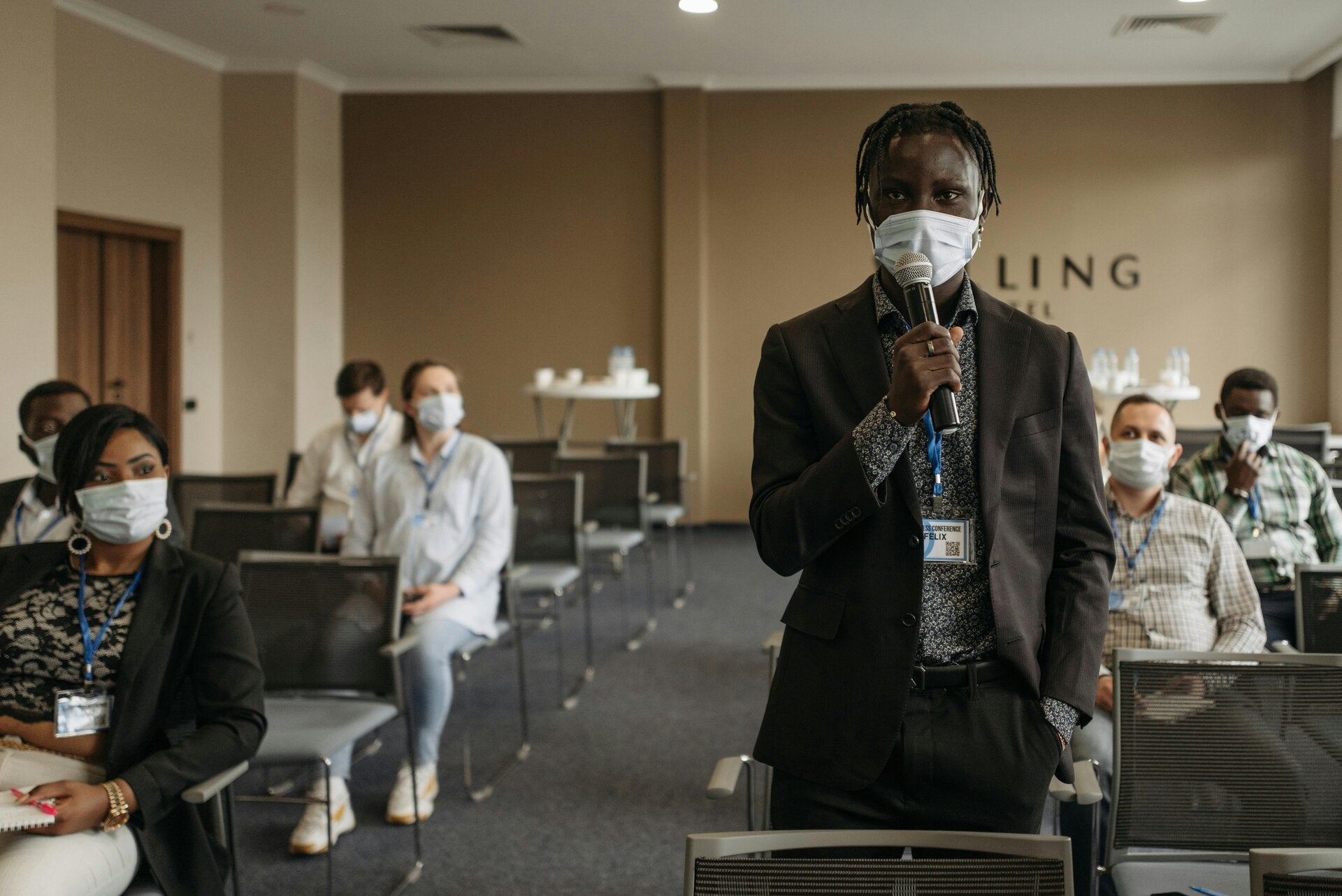
Led by Dr. Ntuba Akwo Thompson, this educational initiative highlights the vital role of global development communication and health journalism. We empower students, researchers, and event visitors with verified resources, clear reporting standards, and actionable knowledge designed to advance health advocacy on a global scale.
Over a Decade of Global Health Diplomacy: Dr. Akwo Thompson Ntuba’s Strategic Partnership with the World Health Organization and the Future of Transnational Development Communication
By Dr. Akwo Thompson Ntuba
Strategic Monograph: Curated for the Transnational Policy Library of the HealthNDevelopment Global Heritage Museum, October 2026
1. Introduction and Institutional Legacy
The architecture of contemporary international development requires an ongoing partnership between global regulatory bodies and decentralized, community-anchored practitioners. Top-down medical directives often fail if they lack local cultural translation, while isolated grassroots initiatives frequently struggle to achieve regional scale. Bridging this systemic gap demands highly specialized expertise in global health communication—a field that treats information delivery, community trust, and behavior modification as core pillars of epidemiology.
For more than 10 years, I have operated as a strategic global health communication partner alongside the World Health Organization (WHO). This decade-long collaboration has focused on translating macro-level global health policies into practical field execution across Sub-Saharan Africa, Europe, and North America. As I continue my international field travels, this partnership remains the foundation of our work. It allows my team to apply certified specialized training and empirical resources directly to vulnerable populations, advancing the United Nations Sustainable Development Goals (SDGs) through a unified approach to health and development.
2. The Mechanics of Global Health Communication Partnership
Operating as a certified partner with the World Health Organization for over a decade involves more than standard public relations. It requires an institutional framework that treats communication as a clinical intervention:
- Epidemiological Information Translation: During international health crises—ranging from regional disease outbreaks to systemic maternal health challenges—the core barrier to care is often a lack of accessible information. Our partnership focuses on stripping away complex technical jargon and translating clinical directives into universal, culturally sensitive frameworks that respect local traditions.
- Deploying the Indigenous Trust Translation Index (ITTI): A key achievement of this decade-long collaboration is the practical application of the ITTI. By quantifying the trust capital of local faith cells, traditional rulers, and village elders, we assist the WHO in identifying the most effective community channels for deploying vaccines, sanitation infrastructure, and preventative medicine.
- Systematizing Field Analytics: True communication is a bidirectional loop. Our traveling units collect ground-level feedback, behavioral data, and structural performance metrics from remote communities. This data is systematically routed back to our permanent repository in Austin, Texas, and shared with international health bureaus to update macro-level policy.
3. Transnational Operational Matrix: Certified Asset Mapping
To illustrate how certified WHO training and structural resources are applied across our traveling workflows, the matrix below details our cross-border deployment strategies:
Governance TierPrimary Field AssetSystemic VulnerabilityCertified Intervention StrategyLong-Term SDG TargetInternational Bureaus (WHO / UN Headquarters)Global legislative authority; large-scale medical and infrastructure resources.Administrative data lags; disconnect between top-down policy and local realities.Apply decentralized communication toolkits to accelerate local policy adoption.SDG 17: Revitalize global partnerships for sustainable development.Cross-Border Zones (Cameroon – Nigeria Corridor)High regional resilience; active networks of indigenous tribal leaders.Volatile border security; fluid migration paths causing epidemiological blind spots.Deploy synchronized digital tracking systems and co-managed mobile clinics.SDG 3: Ensure healthy lives and promote well-being for all ages.Domestic Base Camps (Austin, TX Legislative Center)Proximity to policy leaders; advanced technological and communication networks.Political polarization; structural health delivery gaps in urban centers.Standardize the COBES fellowship model to train university volunteers in health literacy.SDG 11: Make cities and human settlements inclusive, safe, and resilient.Collegiate Interfaces (OU / First Baptist Norman)Highly mobile, educated, and passionate young volunteer demographics.Rapid population turnover cycles; structural lack of field logistical experience.Implement a 4-phase training curriculum to turn civic interest into professional development competency.SDG 4: Ensure inclusive and equitable quality education.
4. The Future Trajectory of Traveling Health Diplomacy
As our traveling operations expand across new international borders and domestic states, the integration of certified WHO methodologies ensures that our mobile interventions remain precise and effective. Accompanied by my national traveling team assistants, our multi-state tours function as continuous field assessments.
When our team deploy to a region—whether stabilizing student support networks in collegiate corridors or building low-maintenance WASH infrastructure in sub-Saharan rural villages—we are applying a field-tested system refined by over ten years of international cooperation. Every health fest organized, every bio-sand water filter installed, and every local policy brief delivered represents a practical application of this partnership. This work ensures that local communities are actively empowered with the knowledge and tools necessary to maintain long-term health security.
5. Conclusion: Preserving the Blueprint for Universal Health Equity
The resources, case studies, and operational findings generated through more than a decade of collaboration with the World Health Organization are now preserved for global public use. By uploading these certified training frameworks to our universal open-access portal at healthndevelopmentweek.com and curating them within the HealthNDevelopment Global Heritage Museum, we have established a permanent institutional record. As I continue my international travel and development work, this repository stands as an enduring blueprint—proving that the path to universal health equity is built by connecting international medical science directly with the trusted fabric of local communities.
Create Your Own Website With Webador